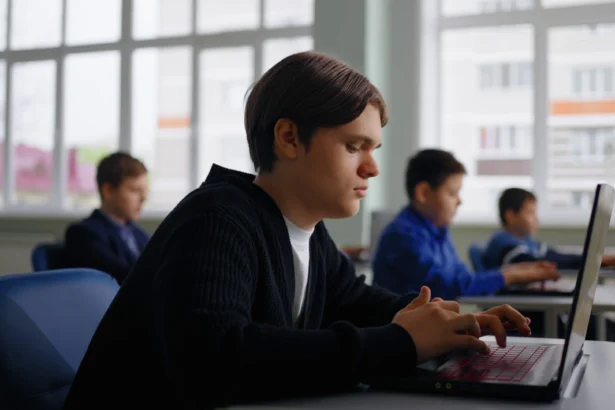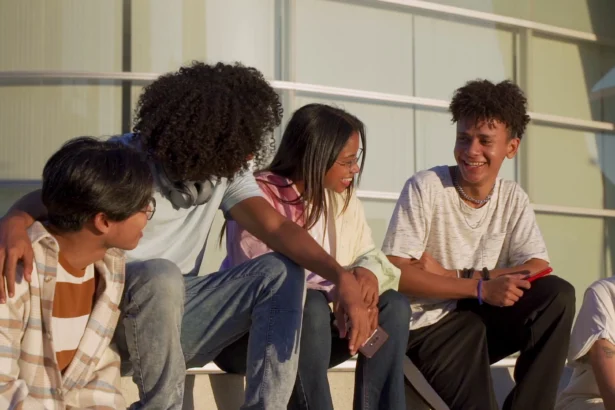
One of the most important skills a young person can learn is how to be responsible. It makes them act better, makes them more independent, and gives them the skills they need to do well as adults. As a parent, guardian, or teacher, you need to be intentional, consistent, and trustworthy to help a teen learn how to be responsible. The world is always changing with new technologies and social norms, but the basic ideas behind teaching responsibility stay the same. This article gives you a timeless, research-based guide to helping teens become more responsible. It does this by using classic developmental psychology, real-life examples, proven parenting frameworks, and strategies that have worked for a long time.
Why Teens Should Be Responsible
Teenagers grow and change quickly in their bodies, minds, and emotions. Long-term research on brain development shows that the adolescent brain is very active in areas that have to do with making decisions, processing emotions, controlling impulses, and planning. This means that teens are ready to learn how to be responsible, but they also need help to get through this stage safely.
- Why Teens Should Be Responsible
- 1. Better Self-Control
- 2. Better at Solving Problems
- 3. More Self-Assurance
- 4. Better Life Preparation
- 5. Better Relationships Within the Family
- Why Teens Have Trouble Being Responsible
- How to Help Teens Be Responsible: Timeless, Research-Based Ideas
- 1. Give Teens Responsibilities That Are Right for Their Age
- 2. Use Real-Life Situations to Teach Life Skills
- 3. Make Sure Everyone Knows What to Expect
- 4. Use Consequences That Are Natural and Logical
- 5. Help Teens Make Decisions and Solve Problems
- 6. Show the Behavior You Want to See
- 7. Give Support, Not Criticism
- 8. Set Goals to Teach Responsibility
- 9. Encourage Independence Gradually
- 10. Encourage Open Communication and Trust
- 11. Avoid Overprotection or Overcontrol
- 12. Use Routine to Create Stability
- 13. Encourage Contribution Over Compliance
- 14. Allow Mistakes and Support Recovery
- 15. Keep Expectations Consistent Over Time
- 16. Connect Responsibilities to Real-World Outcomes
- 17. Support Teens Through Life Transitions
- Examples of Responsibility in the Real World
- Example 1: Managing Schoolwork
- Example 2: Handling Household Chores
- Example 3: Saving Money
- Example 4: Managing Personal Time
- Benefits of Teaching Responsibility Over Time
- Conclusion: Teens Learn Responsibility Through Support, Structure, and Trust
Encouraging teens to be responsible has benefits that last a long time, such as:


1. Better Self-Control
Teenagers who regularly practice being responsible learn how to control their impulses, stay organized, and keep their promises.
2. Better at Solving Problems
Being responsible helps teens learn how to deal with problems on their own and find answers instead of always asking adults for help.
3. More Self-Assurance
Taking care of responsibilities, from small tasks to big decisions, boosts self-esteem and makes it easier to deal with problems.
4. Better Life Preparation
Being responsible is the basis for being an adult. Budgeting, managing your time, taking care of yourself, having healthy relationships, and having a good work ethic all come from this basic skill.
5. Better Relationships Within the Family
Families work better and more respectfully when teens help out around the house.
Teenagers don’t magically become responsible when they turn 18; they have to be taught how to be responsible. It’s helpful to know what problems and obstacles teens often face before getting into strategies.
Why Teens Have Trouble Being Responsible
Even the smartest and most grown-up teen may still have trouble with responsibility. This is normal and to be expected. These problems are caused by a number of things:
1. Growing Brains
Teenagers’ brains are still making connections in the prefrontal cortex, which controls planning, judgment, and following through. This means that it can be hard to be consistent.
2. Wanting to Be Free
Teens naturally want to be free, but they might not be ready to handle it all by themselves yet. It can be hard to find the right balance between independence and guidance.
3. Changes in Mood
Changes in hormones can make you feel different, which can affect your motivation, decision-making, and sense of responsibility.
4. Peer Pressure
Teenagers need social validation a lot. Peer dynamics can sometimes make it hard to focus on your duties.
5. Not Enough Practice
Teenagers may not have had enough hands-on experience with real responsibilities if their parents or caregivers have done too much for them.
Adults can respond with patience and a plan instead of anger if they know what these barriers are.
How to Help Teens Be Responsible: Timeless, Research-Based Ideas


The following methods are based on decades of research in developmental psychology, parenting science, and real-life observations. These strategies work for all generations because they are based on basic human needs like structure, trust, freedom, and supportive relationships.
1. Give Teens Responsibilities That Are Right for Their Age
Setting regular, meaningful expectations is one of the best ways to teach responsibility. Classic developmental guidance focuses on giving teens real jobs that help their home, school, and community instead of relying on trends or new gadgets.
What Makes a Duty “Age-Appropriate”?
A task is appropriate when it:
- Teaches useful skills for life
- Helps out in the house or community
- Pushes them a little without being too hard on them
- Promotes self-sufficiency
Some Things Teens Are Responsible For
These examples are still important for people of all ages:
Responsibilities at Home
- Keeping yourself clean
- Keeping track of homework and school due dates
- Cleaning up their room
- Making plans for their week
- Making quick meals or snacks
Things to Do Around the House
Parents often find that giving teens chores that are realistic and helpful works well:
- Washing clothes
- Cleaning the dishes
- Cleaning up common areas
- Throwing away the trash
- Taking care of pets
- Helping with planning meals or going to the store
- Helping out with younger siblings
Responsibilities to the Community
These help people feel like they belong and are responsible:
- Helping out
- Taking care of kids
- Giving a hand to older neighbors
- Being a part of clubs or activities with other people
Giving people tasks helps them learn how to be consistent, take the lead, be aware, and see the value of working toward a goal that is bigger than themselves.
2. Use Real-Life Situations to Teach Life Skills

You can’t just assume that someone is responsible. Teenagers learn important life skills gradually through hands-on activities.
Life Skills That Will Always Be Useful
Understanding Money
- Taking care of your allowance or income
- Learning how to make a budget
- Getting to know how to save and spend
- Keeping track of costs for personal purchases
Managing Time
- Using calendars or planners
- Putting tasks in order of importance
- Making routines
- Figuring out how long tasks really take
Taking Care of Yourself and Being Aware of Your Health
- Learning about nutrition
- How to deal with stress
- Keeping up with sleep schedules
- Making plans for personal obligations
Skills for Taking Care of Your Home
- Cleaning up the basics
- Doing laundry
- Easy repairs around the house
- Making meals
Skills for Talking
- Respectfully standing up for themselves
- Calmly saying you disagree
- Asking for help when you feel like you can’t handle it
- Listening actively
Teaching life skills along with regular chores boosts self-esteem, independence, and long-term ability.
3. Make Sure Everyone Knows What to Expect
When young people know what’s expected of them, they do better. Teens need clear rules, routines, and boundaries to learn how to be responsible.
Setting Expectations
Expectations should be:
- Easy
- Measurable
- Fair
- In line with where your teen is in their development
- Explained instead of forced
Examples:
- “You have to do your own laundry every Sunday.”
- “You have to do your homework before you can watch TV.”
- “You must return the car with gas if you borrow it.”
Teenagers do best when they know what to expect and what is expected of them.
4. Use Consequences That Are Natural and Logical

Letting teens face appropriate consequences is one of the most effective and timeless ways to teach them responsibility.
Natural Consequences
These happen on their own:
- If a teen forgets their lunch, they might feel hungry until they can get some food.
- They might be late for school if they don’t set an alarm.
Logical Consequences
Adults make these and they are directly related to the behavior:
- If they don’t do their chores, they might lose their privileges.
- They help fix or replace things if they break them.
Consequences should be fair, respectful, and directly related to the action, not based on punishment or shame.
5. Help Teens Make Decisions and Solve Problems
When teens are free to think for themselves, they become more responsible.
How to Get Better at Making Decisions
- Give them the freedom to decide how to plan their days.
- Include them in planning for the house.
- Instead of telling them what to do, give them choices.
- Instead of solving their problems for them, ask them questions that will help them find the answers.
Example:
- Not: “Do your homework right now.”
- Try: “What time do you think is best for you to finish your work today?”
This helps people feel like they own things and are independent.
6. Show the Behavior You Want to See
Teenagers don’t just listen to what adults say; they also watch what they do. Adults must show responsibility in their daily lives in order to teach it.
Ways to Show Responsibility
- Stick to your promises
- Say you’re sorry when you mess up
- Keep up with your routines and limits
- Help out with chores around the house
- Show that you can manage your time well
- Show that you are financially responsible
Teens naturally learn responsibility when they see it in action.
7. Give Support, Not Criticism
One of the best ways to teach responsibility is through positive reinforcement. Teenagers respond much better to praise than to harsh criticism.
How to Use Encouragement the Right Way
- Don’t praise perfection; praise effort
- Show how far they’ve come
- Don’t micromanage
- Help out during tough times
- Recognize when they take initiative
Examples:
- “You did a great job with that.”
- “I’m proud of how you used your time this week.”
- “Every month, you get more responsible.”
This kind of feedback makes teens feel good about themselves and pushes them to keep growing.

8. Set Goals to Teach Responsibility
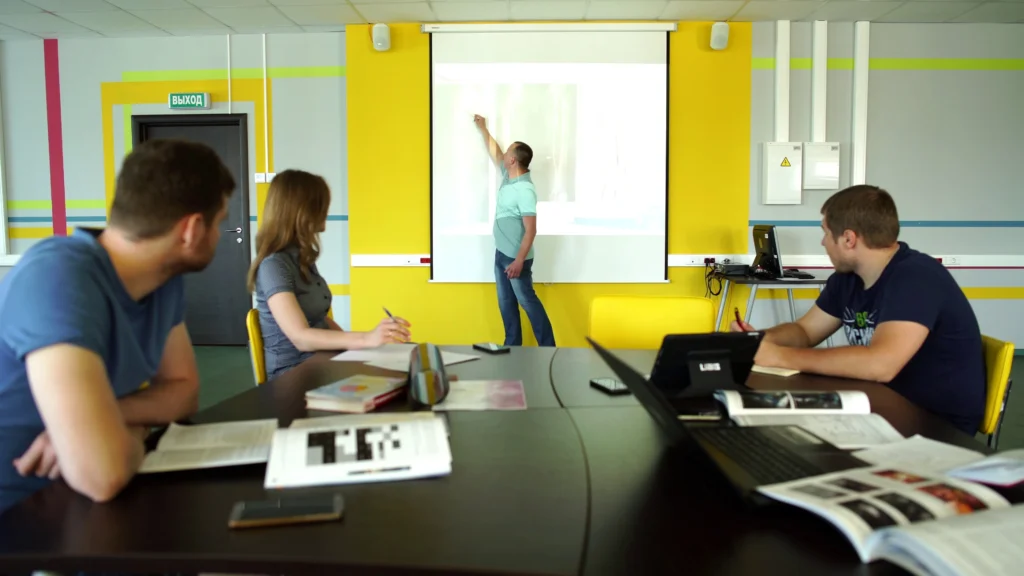
Setting goals is a classic way to learn how to be responsible and disciplined.
Help Teens Make Goals They Can Reach
- Goals for school
- Goals for personal growth
- Goals for health or fitness
- Goals for money
- Goals based on skills, like learning to cook or play an instrument
Break goals into smaller steps, track progress, and celebrate achievements.
9. Encourage Independence Gradually
To be truly responsible, teens need independence—but it must be earned and supported. As teens show maturity, give them more freedom over time.
Areas for Gradual Independence
- Managing their own schedules
- Handling transportation
- Managing their own money
- Planning meals
- Making school decisions
- Taking care of personal space
Start small, observe progress, and increase responsibility gradually.
10. Encourage Open Communication and Trust
Teens are more likely to be responsible when they feel respected and understood.
Building Trust With Teens
- Listen without interrupting
- Validate feelings
- Encourage honesty
- Avoid immediate judgment or anger
- Be consistent and fair
Teens are more likely to own up to their actions when they feel safe talking about their challenges.
11. Avoid Overprotection or Overcontrol
One of the biggest barriers to responsibility is adult over-involvement. Protecting teens is important, but doing everything for them delays independence.
Signs of Overprotection
- Fixing all their problems
- Never allowing failure
- Making decisions for them
- Monitoring everything
- Not giving age-appropriate freedoms
Adopt a “coach” mindset: help, guide, teach, support—but don’t take over.
12. Use Routine to Create Stability
Routines make responsibilities predictable and manageable.
Helpful Routines
- Weekly chore schedules
- Study hours
- Morning and evening routines
- Weekly planning sessions
- Family meetings
Routine creates a stable environment for learning independence and responsibility.
13. Encourage Contribution Over Compliance
Responsibility is about meaningful participation, not blind obedience.
Ways to Encourage Contribution
- Invite teens to help make family decisions
- Ask for their opinions
- Involve them in planning trips, meals, or budgets
- Give leadership roles
- Encourage teamwork with siblings
Teens are more motivated when they feel their input matters.
14. Allow Mistakes and Support Recovery
Mistakes are part of learning. Teens need safe opportunities to fail and grow.
What to Do When Teens Make Mistakes
- Stay calm
- Discuss what happened
- Identify lessons learned
- Encourage solutions
- Avoid lectures or blame
- Focus on growth
Teens who learn that mistakes are opportunities develop resilience and maturity.
15. Keep Expectations Consistent Over Time
Consistency is a key factor in developing responsibility. Changing rules constantly causes confusion and reduces accountability.
Maintaining Consistency
- Follow through on consequences
- Stick to routines
- Keep household rules stable
- Avoid adjusting expectations based on mood
- Regularly remind teens of responsibilities
Consistency builds trust, clarity, and structure.
16. Connect Responsibilities to Real-World Outcomes
Teens are more motivated when they understand the purpose of their responsibilities.
Examples
- Cooking teaches independence
- Completing chores builds life skills
- Managing money prepares for adulthood
- Cleaning a room builds organization
- Meeting deadlines develops work and school readiness
Meaningful responsibilities encourage ownership and accountability.
17. Support Teens Through Life Transitions
Big changes like starting high school, learning to drive, applying to college, or handling relationships require increased responsibility.
How to Support Teens
- Provide extra guidance
- Reinforce core skills
- Discuss expectations
- Maintain open communication
- Encourage self-advocacy
- Allow room for mistakes
Life transitions are valuable opportunities for growth when supported.
Examples of Responsibility in the Real World
Example 1: Managing Schoolwork
A 15-year-old checks their planner each morning and prioritizes homework. They improve organization and need fewer reminders over time.
Example 2: Handling Household Chores
A teen initially forgets or complains about washing dishes. With clear expectations and natural consequences, they develop the habit and take pride in helping.
Example 3: Saving Money
A teen manages allowance or part-time income, sets savings goals, and makes thoughtful spending decisions, building financial discipline.
Example 4: Managing Personal Time
A teen balances school, extracurriculars, hobbies, and family duties. They learn how poor time management affects life, leading to healthier routines.
These examples demonstrate how responsibility develops gradually through consistent practice.
Benefits of Teaching Responsibility Over Time
Being responsible as a teenager isn’t just about following rules or doing chores. It helps develop habits and personality traits that last into adulthood.
Long-Term Benefits Include:
- Strong self-management skills
- Independence and self-reliance
- Emotional resilience
- Better academic and work performance
- Improved decision-making
- Healthier relationships
- Lifelong life skills
Teens who learn responsibility early are better prepared for adulthood with fewer challenges.
Conclusion: Teens Learn Responsibility Through Support, Structure, and Trust
Building responsibility in teens is a gradual, rewarding process that requires consistency, empathy, and intentional guidance. The strategies in this article—setting expectations, teaching life skills, encouraging decision-making, and providing meaningful responsibilities—remain relevant because they address fundamental human development.
When teens learn responsibility, they gain independence, confidence, resilience, and essential life skills. With patience and support, every teen can grow into a responsible, capable adult.