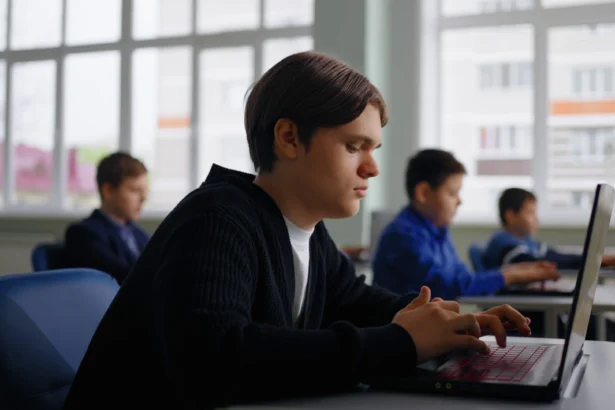
Teenagers go through a lot of changes, both physically and emotionally, and they have more responsibilities. This time of life can bring new experiences and chances, but it can also bring stress that many teens find hard to handle. Parents, teachers, and caregivers who want to help teens stay mentally healthy need to know what stress is. Unmanaged stress can have long-term effects on your health, relationships, behavior, and schoolwork, unlike short-term mood swings.
This detailed guide gives you clear, timeless information on how to spot signs of stress, what causes it, and how to give meaningful, long-lasting help. The strategies in this article are based on expert advice and real-life examples. They are meant to stay useful for years to come, no matter what changes in technology, trends, or social pressures.
- Part 1: Learning About Stress in Teens
- Part 2: Things That Stress Teens Out
- Pressure from School
- Problems With Other People
- Problems With the Family
- Problems With Self-Esteem
- Uncertainty About the Future
- Too Many Things to Do
- Part 3: How to Tell if Your Teen is Stressed
- Part 4: Long-Term Risks of Stress That Isn’t Managed
- Part 5: How to Help a Stressed-Out Teen
- 1. Talk Openly Without Judgment
- 2. Make Your Home Supportive
- 3. Promote Healthy Habits
- 4. Teach Coping Strategies
- 5. Set Realistic Goals
- 6. Model Healthy Stress Management
- 7. Strengthen Social Support
- Part 6: When You Need Professional Help
- Part 7: Real-Life Examples (Always Relevant)
- Part 8: Long-Term Plans for Building Resilience
- Final Thoughts
Part 1: Learning About Stress in Teens


Why Teens Feel Stressed
When faced with problems, changes, or threats, the body naturally reacts with stress. Stress that is not too bad can push a teen to do something good, but stress that is too much or too long can make it hard for them to handle. Teenagers are particularly susceptible because of continuous psychological, social, and biological transformations.
Some important things are:
1. Changes in Development
The brain goes through a lot of changes during the teenage years. The prefrontal cortex, which is in charge of making decisions and controlling impulses, is still growing, while the amygdala, which processes emotions, is very active. This imbalance can make stress reactions worse.
2. Taking on More Responsibility
Teens have new responsibilities at school, in their social lives, in their extracurricular activities, and when it comes to planning for the future. It can be hard to keep all of these responsibilities in check.
3. Making an Identity
Teenagers spend a lot of time figuring out who they are, what they care about, and where they fit in in the world. This process is good for you, but it can make you feel stressed.
4. The Way People Interact With Each Other
Relationships get more complicated, and fitting in with friends is often more important. Emotional stress can come from fights, being left out, or being compared to others.
5. What the Family Expects
Parental expectations and family dynamics can be sources of stress, particularly in families undergoing conflict, transition, or significant pressure.
Part 2: Things That Stress Teens Out

Knowing what makes teens stressed out lets caregivers act quickly. The most common sources are:
Pressure from School
- Teens can feel overwhelmed by homework, tests, high standards, and the pressure to do well.
- Fear of failing or letting others down can make emotional stress worse.
Problems With Other People
- Problems with friends, peer pressure, bullying, and comparing yourself to others (especially on social media) can increase anxiety and insecurity.
Problems With the Family
- Changes like divorce, money problems, illness, or a lot of fighting at home can cause persistent worry or instability.
Problems With Self-Esteem
- Many teens get stressed about how they look, their abilities, or perceived shortcomings.
- Perfectionism can make stress worse.
Uncertainty About the Future
- Worrying about college, jobs, or life after high school can create long-term stress, especially for teens who feel unprepared.
Too Many Things to Do
- Between school, sports, part-time jobs, and social activities, some teens are overloaded.
- Constant fatigue can lead to chronic stress.
Part 3: How to Tell if Your Teen is Stressed
Spotting stress early is crucial. Teens often hide feelings or struggle to express them, so stress may appear as behavioral changes rather than direct communication.
1. Emotional Signs
- Being Angry or Irritable: Teens under stress may get frustrated or argumentative easily. Anger often masks anxiety or overwhelm.
- Changing Moods: Frequent or extreme mood swings can signal chronic stress.
- Leaving the Family: Teens may isolate themselves physically or emotionally.
- Sadness or a Lack of Hope: Persistent low mood or emotional flatness may indicate stress or a deeper mental health issue.
2. Behavioral Signs
- Changes in Sleep: Trouble falling asleep, staying asleep, or poor-quality sleep.
- Changes in Eating: Emotional eating or loss of appetite.
- A Drop in Academic Performance: Difficulty concentrating, procrastination, or declining grades.
- Avoidance Behaviors: Skipping activities or responsibilities.
- Risk-Taking: Impulsivity, substance use, or dangerous behaviors to escape stress.
3. Physical Signs
- Frequent Headaches or Stomachaches: Common physical reactions to stress.
- Tiredness: Chronic fatigue without medical explanation.
- Muscle Tension: Body aches, tight shoulders, or tension headaches.
- Changes in Appearance: Declined grooming or personal care.

4. Cognitive Signs
- Trouble Focusing: Stress affects memory and concentration.
- Racing Thoughts: Teens may feel mentally “on edge.”
- Indecisiveness: Overwhelm can make decision-making difficult.
Part 4: Long-Term Risks of Stress That Isn’t Managed
Chronic stress in teens can have serious consequences if left unaddressed:
- Increased risk of anxiety disorders
- Higher likelihood of depression
- Poor academic performance
- Sleep disturbances
- Low self-esteem
- Unhealthy coping strategies
- Strained relationships
Early intervention helps teens manage current stress and builds lifelong emotional resilience.
Part 5: How to Help a Stressed-Out Teen
Helping teens requires patience, consistency, and understanding. The goal is to teach healthy coping skills, not remove all challenges.
1. Talk Openly Without Judgment
- Listen Without Interrupting: Teens fear criticism or misunderstanding.
- Recognize Feelings: Validate with phrases like:
- “That sounds really hard.”
- “I get why you feel that way.”
- Avoid Minimizing Experiences: What seems minor to adults is significant to teens.
2. Make Your Home Supportive
- Stable Routines: Set times for meals, sleep, and chores.
- Healthy Conflict Management: Reduces stress in the household.
- Encouragement, Not Pressure: Focus on effort and progress rather than just results.
3. Promote Healthy Habits
- Sleep: 8–10 hours per night; limit screen time and encourage relaxation.
- Nutrition: Balanced diet with whole foods and regular meals.
- Exercise: Fun activities like walking, dancing, or sports reduce stress hormones.
4. Teach Coping Strategies

- Deep Breathing: Calms the nervous system.
- Journaling: Encourages self-reflection and emotional processing.
- Time Management: Break tasks into smaller steps.
- Creative Outlets: Art, music, or writing helps relieve stress.
- Mindfulness or Meditation: Supports emotional control and awareness.
5. Set Realistic Goals
- Allow Mistakes: Teens need space to learn and grow.
- Focus on Strengths: Build confidence by acknowledging abilities and progress.
- Avoid Over-Scheduling: Downtime is essential for recovery.
6. Model Healthy Stress Management
- Demonstrate open communication, calm conflict resolution, taking breaks, and using positive coping strategies.
7. Strengthen Social Support
- Encourage teens to:
- Maintain friendships
- Join clubs or social groups
- Build trusting relationships with adults
- A strong support network provides emotional security.
Part 6: When You Need Professional Help
Some stress signs require professional support:
- Persistent sadness
- Self-harm behaviors
- Extreme withdrawal
- Suicidal thoughts
- Chronic anxiety affecting daily life
- Dramatic personality changes
Possible Resources
- Licensed therapists
- School counselors
- Pediatricians
- Support groups
- Community mental health services
Early intervention improves outcomes and teaches teens that seeking help is a strength.
Part 7: Real-Life Examples (Always Relevant)

Example 1: Too Much Schoolwork
Sarah, a 16-year-old honors student, started getting stomachaches and insomnia from exam stress. With support, time management guidance, and reassurance that effort mattered more than perfection, her stress decreased significantly.
Example 2: Problems With Friends
Liam felt excluded from his friend group and withdrew at home. By opening communication, encouraging new social opportunities, and teaching emotional coping strategies, his confidence grew and he developed healthier friendships.
Example 3: Family Stress
Maya struggled after her parents’ separation. Therapy, stable routines, and consistent support from both parents helped her regain emotional balance.
These cases show how early recognition and supportive guidance can transform outcomes.
Part 8: Long-Term Plans for Building Resilience
Healthy stress management skills last into adulthood. Effective strategies include:
- Promoting Independence: Teens gradually learn to trust their abilities.
- Teaching Problem-Solving: Break challenges into steps and consider multiple outcomes.
- Developing Emotional Awareness: Understanding feelings prevents overwhelm.
- Building Self-Esteem: Celebrate effort, character, and growth, not just achievement.
- Maintaining Healthy Boundaries: Teach when to say no and take breaks.
- Prioritizing Connection: Strong relationships support lifelong mental well-being.
Final Thoughts
Understanding and managing stress in teens is crucial for nurturing emotionally strong, capable young adults. By recognizing early signs, providing consistent support, and teaching practical coping skills, caregivers can empower teens to navigate challenges confidently.
The timeless strategies outlined here—open communication, emotional support, stable routines, healthy habits, and professional guidance when needed—form a solid foundation for teen mental health that remains relevant, regardless of changing trends or technology.
Helping a stressed teen isn’t about removing all obstacles. It’s about fostering strength, awareness, and self-trust. When adults respond with empathy, patience, and understanding, teens feel secure, resilient, and better equipped to thrive.