
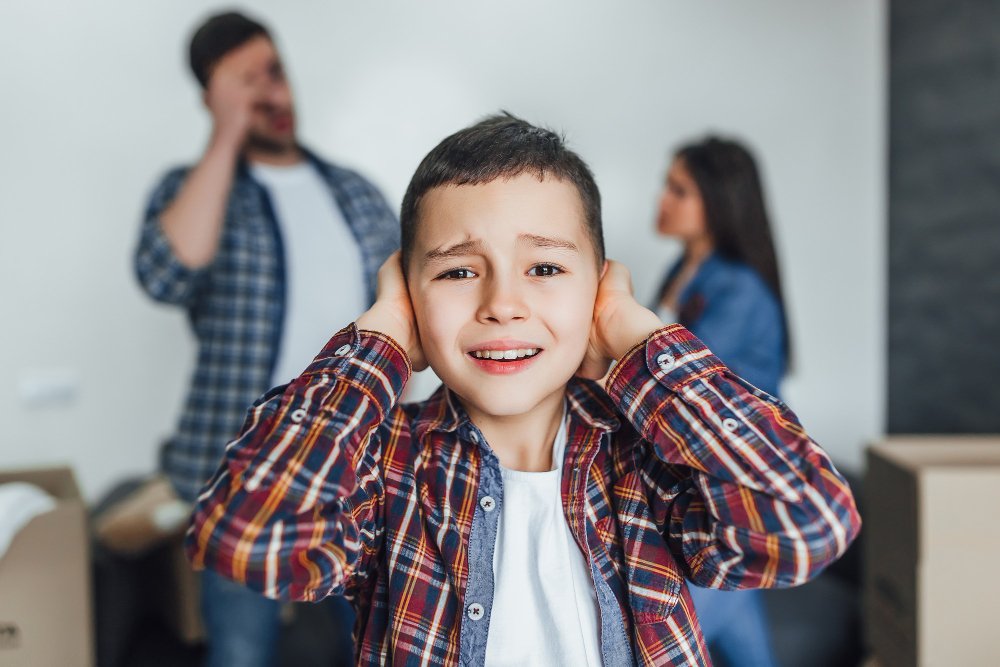
One of the most painful things that can happen to a parent who is separated or divorced is parental alienation. It happens when one parent, usually on purpose, tries to get the child to turn against the other parent. This kind of behavior hurts both the targeted parent and the child, who loses a balanced relationship and emotional safety.
Every safe, sufficient feeding method is a full success. The whole first year, without the guilt.
Explore The First Year bundle →5 calm ebooks + 20 printables · $27
It’s important to know the 17 signs of parental alienation and how to respond in a positive, long-lasting way if you think you might be going through it. This guide will help you spot behaviors that are causing problems, keep your relationship with your child strong, and work toward a solution.
What Does It Mean to Alienate a Parent?

Parental alienation is a group of tactics that one parent uses to keep a child away from the other parent, often by making them feel scared, angry, or distrustful. Disagreements are common after a divorce or separation, but alienation is not. It is planned and ongoing, with the goal—or the result—of breaking a child’s healthy bond with the parent who is being targeted.
Alienation vs. Estrangement
Professionals distinguish between parental alienation and estrangement:

The No-Fight Bedtime
The five-step routine, the exact words for the eight stalls every parent hears, and a fourteen-night plan that takes you from tonight to a bedtime that runs itself.
Get the guide — $1770 pages · instant PDF · yours forever
- Estrangement: Occurs when a child separates themselves from a parent due to the parent’s detrimental actions, such as abuse or neglect.
- Alienation: Happens when a child rejects one parent because of the other parent’s lies and tricks.
It’s important to know the difference. If your child is rejecting you without a good reason, parental alienation could be the cause.
17 Signs That a Parent Is Alienating You

Here are the most common warning signs that experts and family therapists have found. Not every case has all 17, but a pattern of a few should make you worried.
Inside The Toddler Years bundle:
- Toddler Tantrums
- Toddler Sleep
- Picky Eating
- Potty Training
- The Language Leap
- + 20 printables
- Unfair Rejection
The child shows a lot of dislike or even hatred for one parent without a good reason. Small disagreements turn into reasons to say no. - No Guilt
The child shows little to no remorse even though they spoke harshly or disrespectfully. It seems like someone else is encouraging them to act this way. - Copying the Parent Who Is Alienating
The child says things, stories, or accusations that sound like they’ve been practiced, often word for word from the other parent. - Strict “Good vs. Bad” Thinking
One parent is shown as completely good, while the other is shown as completely bad, with no room for gray areas or balance. - Unnatural Help for the Parent Who Is Alienating
The child always sides with the parent who is trying to keep them away from the other parent, even when that parent’s actions are clearly unfair. - Few or No Good Memories
The child has a hard time remembering good times with the targeted parent or refuses to, even if they were close in the past. - Dislike for Extended Family
Alienation doesn’t end with the parent. The child may not want to see grandparents, cousins, or other relatives related to the targeted parent. - Interference with Communication
The child doesn’t want to talk on the phone, video chat, or visit, often making excuses that sound like they come from the alienating parent. - Fear of Making the Alienating Parent Unhappy
Kids often worry about making the alienating parent mad, going along with their story even if it means hiding real feelings. - Not Having an Effect
When asked, the child insists their opinions are their own, even when the signs say otherwise. - Too Much Criticism
Everything the targeted parent does is criticized. Neutral or positive efforts are twisted into negative ones. - Not Wanting Gifts or Help
The child refuses gifts, money, or acts of kindness from the targeted parent, seeing them as manipulative rather than loving. - Stories That Are Wrong
The child remembers events incorrectly, exaggerating or changing them to fit the alienating parent’s story. - A Sudden Change in a Relationship
The child goes from being close to cold and hostile toward the targeted parent, with no clear reason. - Disrespect in Public
The child openly insults or puts down the parent in public, beyond normal parent-child conflict. - Very Strong Loyalty Conflicts
The child feels they must “pick sides,” seeing loyalty to one parent as disloyalty to the other. - The Alienating Parent Strengthens the Division
Ongoing subtle or overt actions—badmouthing, interfering with visitation, undermining authority—make the child feel more isolated.
Why These Signs Are Important
Parents and professionals can differentiate normal family problems from harmful alienation by knowing the 17 signs. If not addressed, alienation can cause long-term mental health problems:
You decide what and when.
They decide whether and how much.
Almost every mealtime fight is one person doing the other's job. The No-Fight Table turns that one idea into the exact words for every refusal you'll hear.
Read what's inside$17 · 70 pages · instant download


- Anxiety and depression in children
- Poor relationship skills as adults
- Permanent separation between parent and child
- Emotional instability from internal conflict
Experts consider parental alienation a serious form of emotional abuse because its effects can be long-lasting.
Seventy pages. Six script tables.
What to do, and exactly what to say, when it happens in the supermarket, the restaurant, the car, or in front of everyone.


Instant PDF · 24 photographs · yours forever
What to Do If You See These Signs

If you think you might be experiencing parental alienation, these strategies can help:
- Keep a Record of Everything
Document missed visits, angry messages, or worrying behavior. Documentation is important for legal action. - Stay Calm and Patient
Avoid angry outbursts or revenge. Be patient and consistent. - Get Help from a Professional
Therapists trained in family systems or reunification therapy can help. Neutral professionals also strengthen legal cases. - Keep the Bond Strong
Find small, regular ways to connect: letters, calls, or traditions. - Don’t Talk Badly About the Other Parent
Avoid criticizing your ex in front of your child. Showing respect helps reduce alienation. - Get Legal Help When Needed
Courts can order custody evaluations, therapy, or parenting plan changes. Clear evidence strengthens your case. - Put the Child’s Health First
Focus on your child’s mental and emotional well-being rather than your own frustrations. - Create a Network of Support
Support groups, advocacy organizations, and lawyers can provide emotional and practical help. - Help Your Child Think Critically
Encourage reflection without pressure: “That sounds like it made you mad. Do you remember when we had fun together?” - Take Care of Yourself
Protecting your own mental health helps you remain strong for your child.
Advice from Experts

Family law experts and child psychologists emphasize:
- Early Intervention: The longer alienation continues, the harder it is to repair relationships.
- Courts Are Becoming More Aware: More judges recognize parental alienation as harmful.
- Reunification Programs Work: Structured therapy often rebuilds trust between parent and child.
- Balance Is Good for Kids: Children thrive when both parents stay involved, even in high-conflict situations.
Examples from the Real World
- Case Study A: A mother noticed her son suddenly refusing visits. Therapy revealed the other parent had repeatedly told him she “didn’t care.” The child was able to rebuild a healthy relationship.
- Case Study B: A father documented years of missed visits and manipulative behavior. The evidence led to a custody change and restored regular contact.
- Case Study C: Adult children often realize they were alienated, expressing regret for the lost time with the targeted parent.
Frequently Asked Questions About Parental Alienation

Is brainwashing the same as parental alienation?
Yes, in many ways. Alienation involves systematic influence similar to brainwashing.
Big feelings & the leap to school — calmed, in one bundle.
Is it possible for parental alienation to happen by accident?
Yes. A parent’s unresolved anger can unintentionally influence the child, with harmful effects.
Is it possible to reverse alienation?
Yes, though it takes time, therapy, and sometimes legal intervention.
Does parental alienation only happen after a divorce?
No. It can occur in intact families but is most common during separations, divorces, or custody disputes.
How to Stop Parents from Alienating Their Kids

Prevention is better than correction. Parents can lower risks by:
- Prioritizing cooperative co-parenting
- Keeping adult conflicts away from children
- Helping the child maintain a good relationship with the other parent
- Using neutral language when discussing the other parent
Important Points

- The 17 signs help identify when a child’s rejection is more than normal family conflict.
- Alienation harms both children and parents, often with long-term mental effects.
- Effective responses include documentation, professional help, patience, and legal action.
- Keeping the child’s best interests in mind ensures a healthy relationship with both parents.
Final Thoughts

Parental alienation is painful but can be overcome. Recognizing the 17 signs early and using consistent strategies allows you to protect your relationship with your child.
The School-Age Years — all 5 guides
- Big Feelings, Bigger Kids — the calm response to meltdowns
- The Homework Truce — end the nightly battle
- The Friendship Years — friends, fallouts & fitting in
- Screens Without the Standoff — boundaries that hold
- Raising a Capable Kid — real independence, step by step
Children should be able to love both parents without fear or coercion. Staying proactive, informed, and caring ensures that healthy, balanced relationships can flourish.
Read Also: Can Both Parents Claim a Child on Their Taxes? The Ultimate Guide
Parenting, from "I do" to "they're grown."
A free 13-page guide: 8 life stages, one calm method, and exactly what matters at each step. Enter your email to get it instantly.
Instant PDF · join the Sunday Note · unsubscribe anytime.