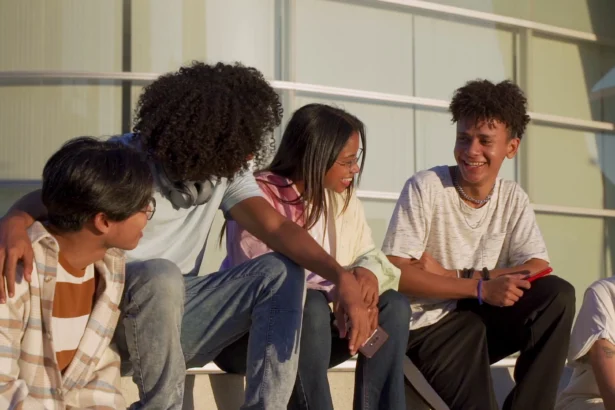
Teenagers’ communication often gets more complicated, emotional, and unpredictable. A lot of parents say that this stage is a mix of connection and conflict, closeness and distance, warmth and frustration. As kids become teens, they start to have stronger opinions, know themselves better, and want to be independent. These changes can make it harder to talk to people and more likely that you’ll misunderstand them. But good communication is still one of the most important parts of healthy teen relationships, emotional growth, and family harmony.
To communicate well with teens, you don’t have to control their choices or make them do what you say. It’s not about that. It’s about building trust, listening more deeply, respecting their uniqueness, guiding them with wisdom, and making the home a safe place for them to talk about their feelings. The tips in this article come from psychologists, family therapists, and years of research into child development. This means that the advice will always be useful and relevant.
Below is a detailed 3000-word guide with lasting rules, real-life examples, and useful tips on how to talk to your teen that will help you get closer to them.
1. Understanding How Teens Grow Up is the Key to Good Communication

It’s important to know what’s going on in your teen’s mind and heart before you try new ways to talk to them. Teenage years are one of the most important times for growth, second only to early childhood. Teenagers are not just “older kids”; they are becoming adults in every way, including their bodies, minds, and feelings.
1.1 The Brain Changes That Affect Behavior
The brain develops quickly during the teenage years, especially in:
- The prefrontal cortex – in charge of planning, controlling impulses, and making decisions.
- The limbic system – in charge of feelings, taking risks, and being sensitive to rewards.
This means that teens often feel things more strongly, want to be independent, and sometimes do things without thinking. It’s not being defiant; it’s growing.
1.2 Looking for Who You Are
Your teen is trying to figure out:
- Who am I?
- What do I think?
- Where do I fit in?
A lot of the time, this search for identity makes people question rules, push limits, and want to be free. These behaviors can be hard, but they are normal and good for you.
1.3 The Need for Respect and Freedom
Teens want to be listened to, not talked at. They want to be treated with respect, even if they still need help. When parents treat their teens like adults instead of kids, communication naturally gets better.
2. Why Teens and Adults Have Trouble Talking to Each Other
A lot of parents think their child, who used to talk a lot, has suddenly become distant, moody, or uninterested in talking. The first step in fixing a communication breakdown is to figure out what caused it.
2.1 Teens Are Afraid of Being Judged
A teen might not say anything because:
- They don’t want to let you down.
- They are worried about lectures.
- They are afraid of being punished.
- They think you won’t get it.
When teens expect bad things to happen, they shut down.
2.2 Parents Often Go to Instruction Mode by Default
Teenagers are more sensitive to tone and are easily offended. They may avoid talking to you if you give them too many instructions, corrections, or reminders.
2.3 Different Ways of Talking
Parents often like direct communication, like “Tell me what happened.”
Teens might like hints, moods, or short answers instead of direct communication.
2.4 Conflicts in Timing
Parents want to talk now, but teens want to talk when they’re ready. Finding the right time is very important.
3. Tried-and-True Ways to Talk to Your Teen Better

These basic ideas work for families, cultures, and generations. These aren’t “hacks” that are popular right now; they’ve been used for a long time to improve communication between parents and teens.
3.1 Talk Less and Listen More
Listening makes people feel safe emotionally. Teens are more likely to talk when they feel like they are being heard.
Listening well means:
- Paying full attention
- Not letting things get in the way
- Gently asking questions to make things clear
- Showing how they feel
- Not making quick decisions
Example:
Teen: “I didn’t pass my test.”
Bad answer: “You should have studied more.”
Better answer: “That must be really frustrating. Do you want to talk about what happened?”
Listening makes people trust, respect, and connect with each other.
3.2 Agree with Their Feelings, Even if You Don’t Agree With Them
Validation does not mean giving permission. It just says that their feelings are real.
Here are some phrases that show you understand:
- “I see why that made you angry.”
- “That sounds like a big deal to you.”
- “I get why you feel that way.”
Validation makes people less defensive and more open to talking.
3.3 Talk Instead of Giving Lectures
Teens often shut down during lectures. Talking to each other encourages working together.
Try this method:
- Ask them what they think.
- Find out how they feel.
- Ask them what they think should happen.
Teens are more likely to stay interested when they help shape the conversation.
3.4 Be Interested, Not Controlling

Curiosity shows that you care, while control shows that you don’t trust someone.
Instead of:
- “You’re not going to wear that.”
- “You can’t spend time with them.”
Try:
- “What do you like about that style?”
- “How do you feel when you’re with that group?”
Being curious helps you learn about their world.
3.5 Set Limits Quietly and Consistently
Teens need both freedom and rules.
Good boundaries:
- Are clear
- Are fair
- Are explained in a polite way
- Are always enforced
Boundaries don’t teach kids to rebel; they teach them to be responsible.
3.6 Take Care of Your Own Feelings
Teenagers are very aware of tone, volume, and body language.
Avoid:
- Screaming
- Sarcasm
- Making fun of
- Getting too worked up
Responses that are calm build trust and show how to control yourself.
3.7 Pick the Right Times to Have Important Talks
Most great conversations don’t happen when:
- There’s a fight
- You’re in a rush
- It’s late and everyone is tired
- You’re in a public place
Teens talk more when they are in calm, private, low-pressure situations, like:
- Rides in cars
- Working on chores together
- Going for a walk outside
- Making food together
- Late at night (when teens often talk)
Timing can make or break a conversation.
4. Useful, Timeless Ways to Talk to People That Always Work

These tips will work no matter what the latest trends, technology, or style of parenting is. They help parents learn how to communicate in a strong and healthy way that will last into adulthood.
4.1 Ask Questions That Don’t Have a Clear Answer
Avoid yes/no questions like “How was your day?” – they often stop the conversation.
Instead, ask:
- “What was the best part of your day?”
- “What made you laugh today?”
- “What’s something that has been making you stressed out?”
Open-ended questions help people share more.
4.2 Share, Don’t Ask for It
Show teens how you think instead of only giving instructions.
Example:
Instead of: “You have to be home by 10 PM.”
Try: “I’d like you home by 10 PM because I’m worried about your safety at night. What do you think?”
This approach is respectful and collaborative.
4.3 Say Thank You Often
Teens want to be noticed. A little praise goes a long way.
For example:
- “I saw how hard you worked on that task.”
- “Thanks for helping with dinner.”
- “I’m proud of how you dealt with that.”
Good communication strengthens connections.
4.4 Talk Through Shared Activities
Some teens dislike direct “heart-to-heart” talks. They communicate better while:
- Playing sports
- Doing chores
- Going shopping
- Driving
- Cooking
- Walking
Activities help people relax and start natural conversations.
4.5 Respecting Privacy Builds Trust
Respecting teens’ privacy shows that you trust them.
This includes:
- Not reading journals
- Not looking in their room
- Not asking for every little detail about their social life
Teens are more likely to share when they feel respected.
4.6 Show the Behavior You Want to See
You have to demonstrate honest, calm, and respectful communication.
For example:
- Saying sorry when you’re wrong
- Speaking in a calm voice
- Listening with patience
- Managing anger
- Being trustworthy
You teach teens how to communicate by modeling it.
4.7 Stay Away from Power Struggles
When conversations are about “winning,” everyone loses.
Avoid:
- Ultimatums
- Threats
- Insults
- “Because I said so!”
Instead:
- Stay calm
- Focus on solutions
- Communicate politely
- Recognize their perspective
Power struggles damage relationships.
4.8 Be Open About Family Rules
Teens are more likely to follow rules when:
- They know why the rules exist
- Rules are consistent
- Rules are fair
- They had input
Clarity fosters collaboration.
5. Building Trust Over Time: The Key to Communication
Trust isn’t built in one conversation; it grows over time.
5.1 Keep Your Word
If you say you will:
- Talk later
- Pick them up
- Respect their space
Follow through. Trust grows when actions match words.
5.2 Stay Calm When They Tell You Something Hard
How a parent reacts when a teen admits mistakes or fears determines whether they will open up again.
Respond with:
- Calmness
- Appreciation for honesty
- Focus on solutions, not blame
- Full attention
Even difficult conversations can strengthen relationships.
5.3 Be a Safe Place for Feelings
Teens need a parent who:
- Doesn’t judge
- Doesn’t freak out
- Doesn’t make fun
- Doesn’t ignore problems
A safe emotional space makes communication natural and frequent.
6. Making Communication Better During Conflict
Conflict is normal, but it doesn’t have to harm the relationship.
6.1 Take a Break Before Answering
If emotions rise:
- Take a break
- Suggest returning later
- Take deep breaths
- Avoid saying things in anger
Pausing prevents damage.
6.2 Concentrate on the Problem, Not the Individual

Instead of: “You never take care of your responsibilities.”
Try: “I get mad when chores aren’t done.”
Focus on behavior, not character.
6.3 Use “I” Statements
“I feel…” statements promote understanding.
Example:
“I get worried when you don’t pick up the phone.”
6.4 Work Together to Find Solutions
During disagreements:
- Get their input
- Offer choices
- Negotiate fairly
- Reach mutual agreements
Teens take responsibility when they help create solutions.
7. What to Do When Teens Don’t Want to Talk
Teens sometimes withdraw, stop talking, or avoid conversation. This is normal but challenging.
7.1 Keep Up Small Interactions
Even if they pull away:
- Greet warmly
- Check in daily
- Be present during activities
- Show availability
Consistency shows love without pressure.
7.2 Give Them Space
Teens need time to process emotions. Giving space shows trust and maturity.
7.3 Look for “Side-Door” Times
Teens often open up during:
- Long car rides
- Late nights
- Playing games
- Working together
Use low-pressure moments to encourage conversation.
7.4 Stay Calm When They Finally Talk
A single negative reaction can shut down communication for weeks. Listening without judgment keeps conversations going.
8. Promoting Open and Honest Communication
Creating a safe and comfortable home encourages open dialogue.
8.1 Make It Normal to Talk About Feelings
Discuss emotions casually:
- Stress
- Excitement
- Fear
- Anger
- Happiness
This teaches emotional literacy.
8.2 Be Honest About Your Experiences
Share your teenage challenges to connect:
- “I remember being confused when I was your age.”
- “I struggled with confidence too.”
Authenticity strengthens bonds.
8.3 Make Family Routines Regular
Routines foster natural conversations:
- Weekly family dinners
- Weekend activities
- Daily check-ins
- Nightly wind-down talks
These habits maintain closeness over time.
9. The Long-Term Effects of Healthy Teen Communication
Good communication has lasting impacts.
9.1 Better Emotional Intelligence
Teens learn:
- Self-awareness
- Empathy
- Conflict resolution
- Stress management
- Healthy expression
These skills last a lifetime.
9.2 Better Mental Health
Teens who communicate openly:
- Feel supported
- Have lower stress
- Develop confidence
- Experience less loneliness
Strong parent relationships protect mental well-being.
9.3 Better Future Relationships
Communication skills learned at home shape:
- Friendships
- Romantic relationships
- Workplace interactions
- Parenting in the future
You’re teaching lifelong relational skills.
Conclusion
Learning how to talk to teens is an ongoing process that takes time, understanding, and a desire to grow with your child. Adolescence can be hard, but it’s also a great time to strengthen your relationship with your teen and help them build confidence, responsibility, and emotional strength.
The communication methods in this guide are timeless. They don’t depend on fads, technology, or short-term fixes. Instead, they are based on trust, respect, and human connection. By listening deeply, validating feelings, setting clear boundaries, choosing the right moments, and providing consistent emotional support, you create a relationship that lasts beyond the teen years.
Effective communication isn’t about perfect parenting; it’s about showing love, understanding, and openness. Teens are more likely to talk, share, and connect when they feel seen and heard.
Maintaining these strategies will strengthen your relationship for many years to come—even into adulthood and beyond.