
My Day, My Way — The Complete Toddler Routine System
6 ready-made picture charts, 36 cut-out cards, a First–Then board, trackers & a parent guide — everything to help your toddler run their own day. 24 pages, instant download.
Your toddler ate broccoli with joy last Tuesday and now treats it like you’re trying to poison them. If you have a picky eater toddler, you already know the exhausting cycle: cook, offer, get rejected, worry, bribe, repeat. The good news is that most toddler pickiness is normal, temporary, and made worse by exactly the things stressed parents instinctively do. This guide gives you a calm, practical mealtime plan that lowers the drama and slowly widens what your child will eat — without turning dinner into a battlefield.
A picky eater toddler is usually going through a normal developmental phase, not refusing food to be difficult. The most effective approach is the Division of Responsibility: you decide what food is offered and when, and your child decides whether and how much to eat. Keep offering rejected foods without pressure — it can take ten or more exposures before a toddler accepts something new. Avoid bribing, short-order cooking, or forcing bites, all of which make picky eating worse over time.
Key takeaways

- Most toddler pickiness is a normal phase tied to development, slowing growth, and a built-in wariness of new foods — not bad behavior you need to fix with discipline.
- The Division of Responsibility works best: you choose what and when; your child chooses whether and how much from what’s offered.
- A new food often needs ten to fifteen calm, no-pressure exposures before a toddler accepts it, so one rejection means nothing.
- Pressure tactics — bribing, forcing bites, the “three more bites” rule — reliably backfire and make a picky eater toddler pickier.
- Serving at least one “safe” food your child reliably eats at every meal takes the stakes out and keeps mealtimes calm.
- Most picky eating resolves on its own, but talk to your pediatrician if your child is losing weight, eats fewer than around twenty foods, or gags and panics at meals.
Why your toddler became a picky eater
Understanding why pickiness shows up around the same age in so many kids takes the panic out of it — this is biology and development, not a verdict on your parenting. Three things tend to collide right around the first birthday and stick around through the toddler years.
First, growth slows down dramatically. In the first year, babies roughly triple their birth weight. After that, growth decelerates hard — a toddler might gain only four or five pounds across an entire year. Less growth means a smaller appetite, so the child who inhaled everything as a baby genuinely needs less food now. Parents read the shrinking appetite as a problem when it’s simply a body that no longer needs as much fuel.
Second, there’s a developmental trait called food neophobia — a hardwired wariness of new foods that ramps up between about 18 months and three years. From an evolutionary standpoint, it makes sense: a newly mobile toddler who’ll put anything in their mouth is safer if they instinctively reject unfamiliar things, especially the bitter flavors that in nature can signal toxins. That’s why vegetables, often slightly bitter, take the biggest hit. Your toddler isn’t being dramatic. Their brain is running an ancient safety program.
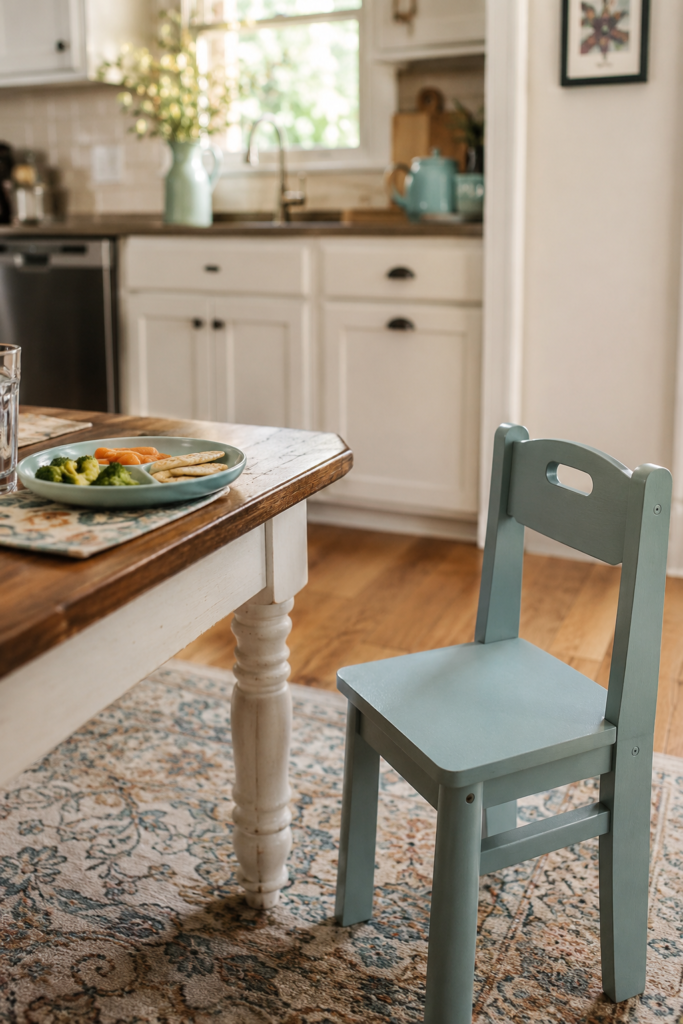
Third, toddlers are discovering they have a will, and food is one of the few areas where they hold real power. They can’t decide bedtime, the car seat, or whether they’re getting in the bath — but they can absolutely clamp their mouth shut. When mealtimes become a place where they get a big reaction and a sense of control, pickiness gets reinforced socially on top of its biological roots.
Stack those together and you get the classic picky eater toddler: smaller appetite, suspicious of new foods, and quietly delighted by the power of “no.” Knowing this matters because it points the solution in a completely different direction than discipline. You’re not fighting defiance. You’re working with normal development — which means patience and structure beat pressure every time.
The Division of Responsibility: the core of a calm plan
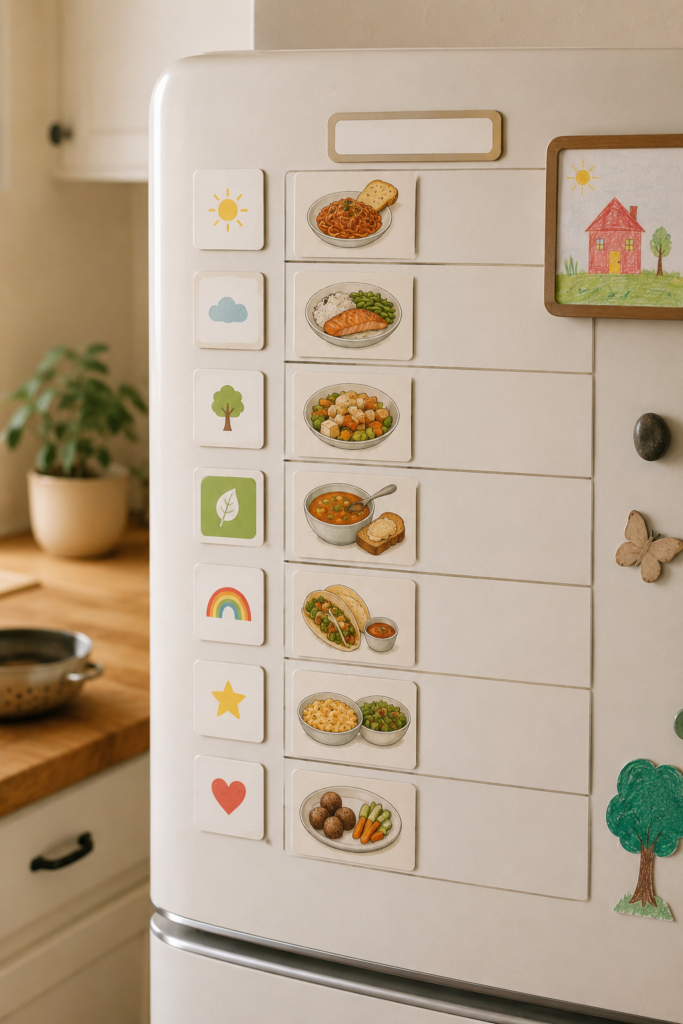
The single most effective framework for feeding a picky toddler is the Division of Responsibility, and once you internalize it, most mealtime battles simply stop having anywhere to happen. Developed by registered dietitian and family therapist Ellyn Satter, it has become the standard approach recommended across pediatric and feeding-therapy circles for one reason: it works by respecting what each side actually controls.
The split is clean. The parent’s job is the what, when, and where — you decide which foods are served, at what times, and in what setting. The child’s job is the whether and how much — from what you’ve put in front of them, your toddler chooses whether to eat and how much. That’s it. You never cross into their lane (no forcing, coaxing, or bribing bites), and you don’t let them cross into yours (no cooking a separate meal on demand).
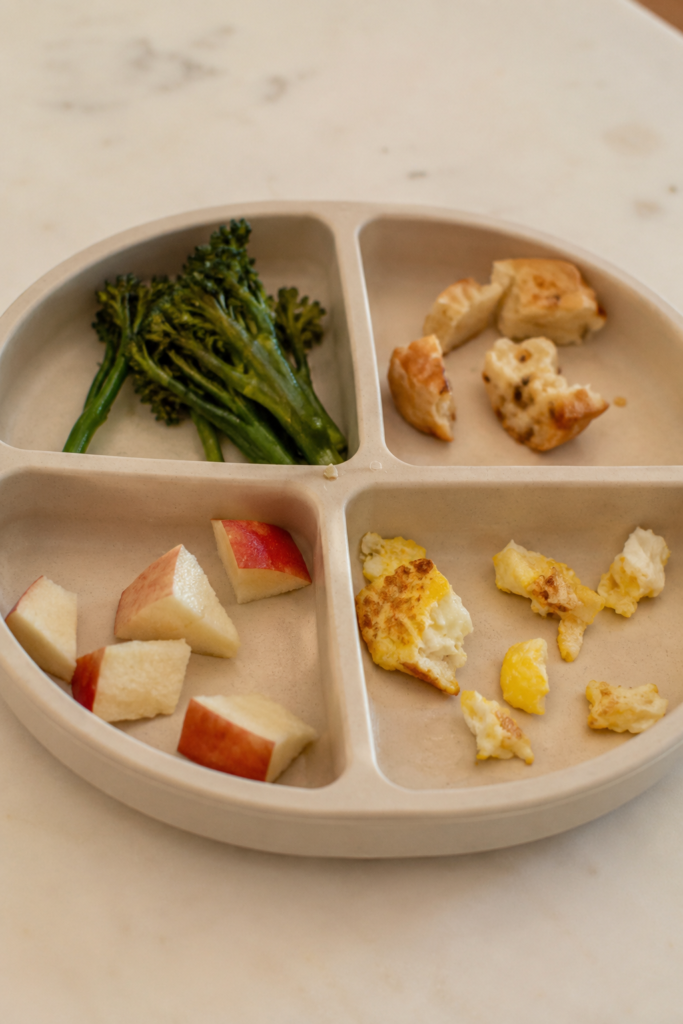
Why does giving up control work better than seizing it? Because the power struggle is the problem. When you push a bite, your toddler’s only move is to push back, and the food becomes a battleground. When you calmly offer good options and then genuinely step back, there’s nothing to resist. The pressure that fueled the standoff disappears, and — slowly, on their own timeline — kids relax enough to try things.
In practice this looks like: you serve a balanced meal including at least one food you know they like, you sit and eat with them, and you let them eat what they want from the table without commentary. No negotiating. No “just one bite.” No dessert held hostage. If they eat three bites and stop, the meal is over, and you trust they’ll make it up at the next eating opportunity. This requires nerve at first — watching your kid eat almost nothing is hard — but consistency is what teaches them that mealtimes are calm, predictable, and theirs to navigate.
How to introduce new foods without a fight
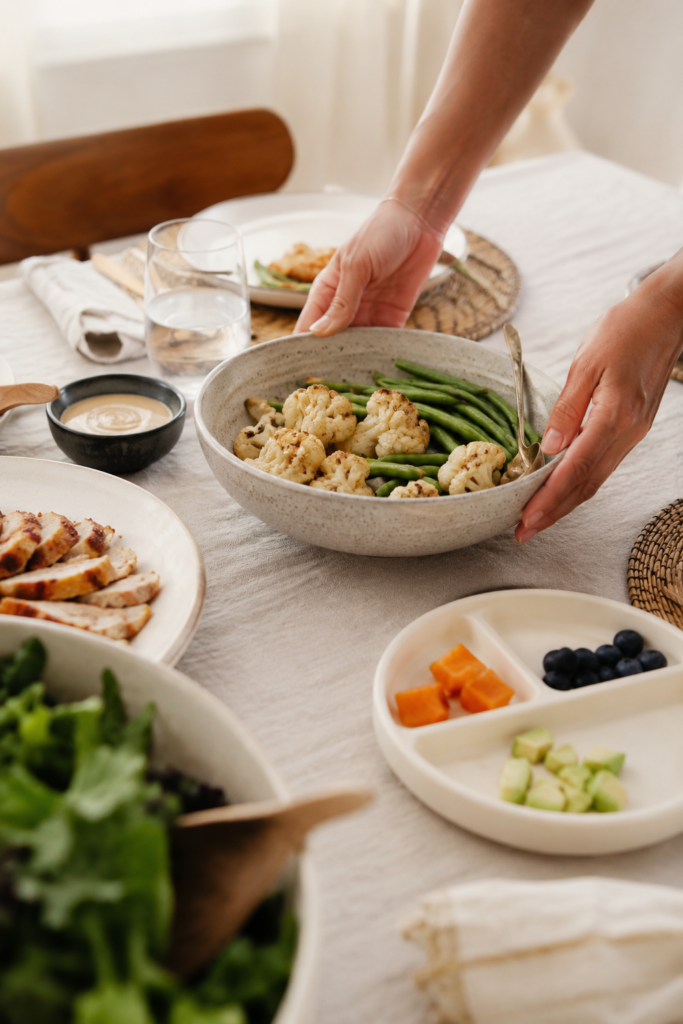
Getting a new food onto your toddler’s “yes” list is a numbers game played with zero pressure, and the parents who succeed are the ones who treat rejection as a normal step rather than a stop sign. The research-backed reality: it commonly takes ten to fifteen exposures to a new food before a wary toddler accepts it, and some foods need more. One rejection tells you nothing.
The key word is exposure, and exposure doesn’t mean eating. A child who looks at a new food, touches it, smells it, licks it, or just tolerates it on their plate is making progress through a predictable ladder: tolerate it nearby, interact with it, smell it, touch it to lips, taste a tiny bit, eat it. Honor every rung. Celebrating that your toddler let a pea sit on their plate without melting down is genuinely a step forward, even though no pea was consumed.
A few practical moves make exposures land:
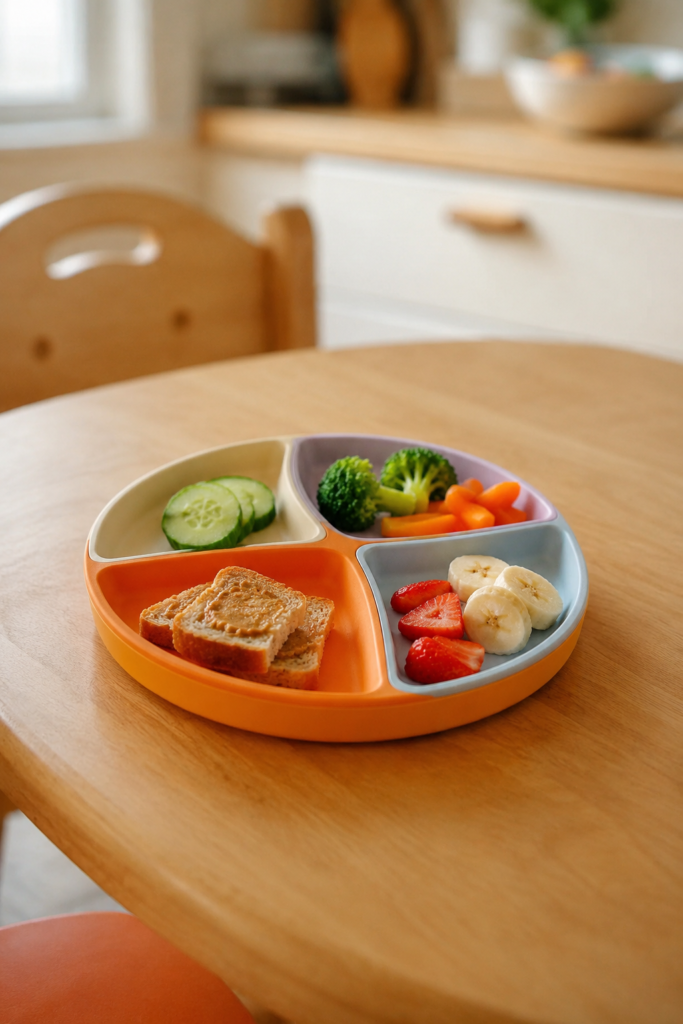
Serve the new food alongside familiar safe foods, in small, unintimidating amounts. A single new item next to two trusted ones feels manageable; a plate full of strange food triggers shutdown.
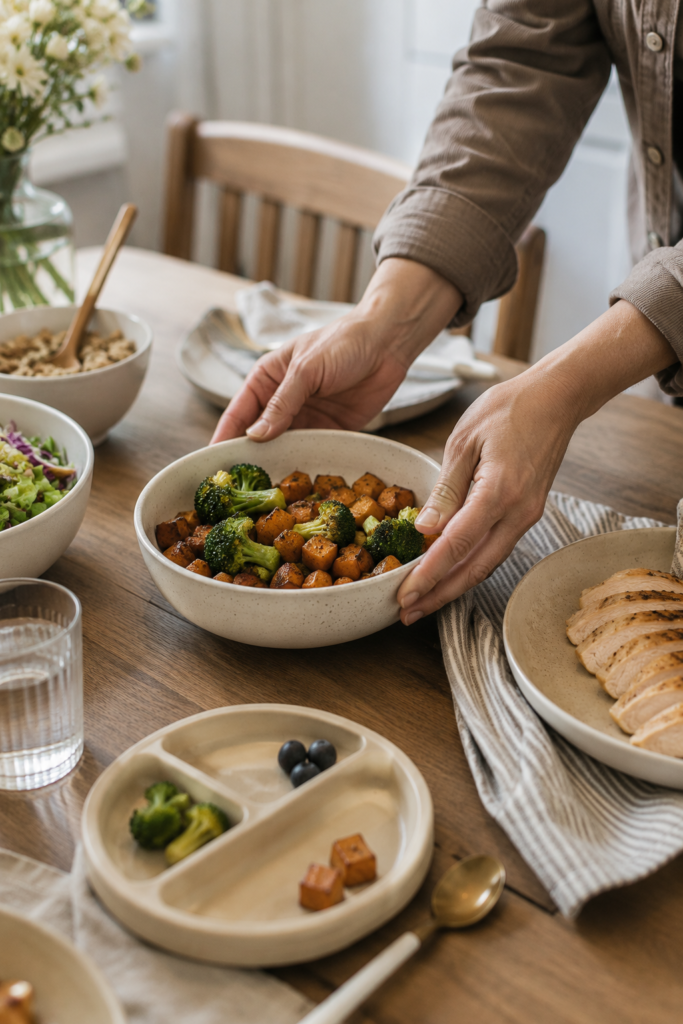
Put new foods on the table family-style and let your toddler serve themselves when possible. Choosing to put a carrot on their own plate carries far less threat than having it placed there by you.
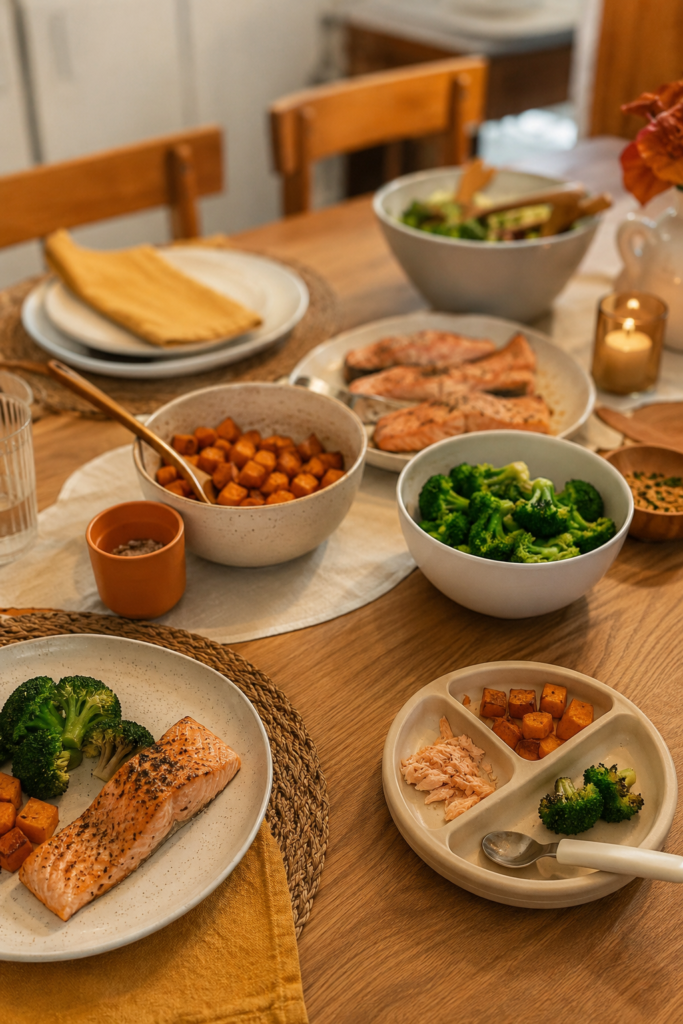
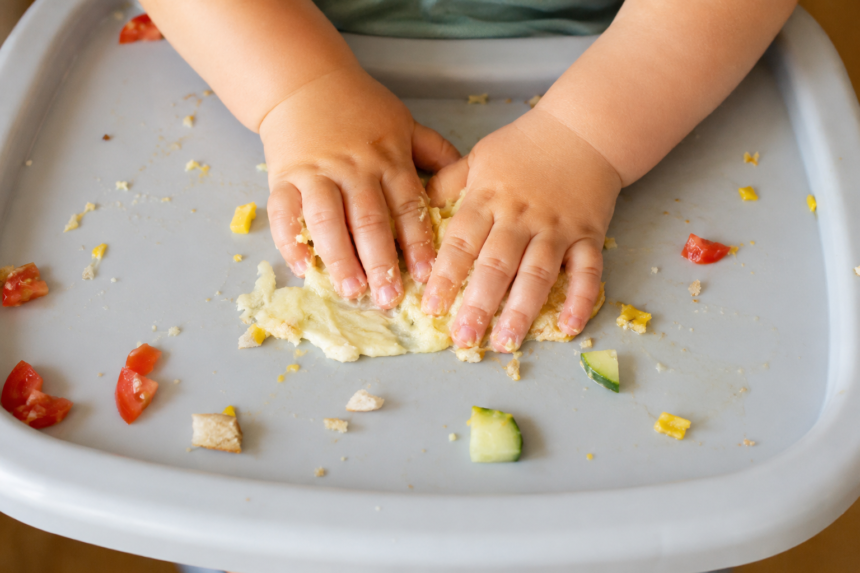
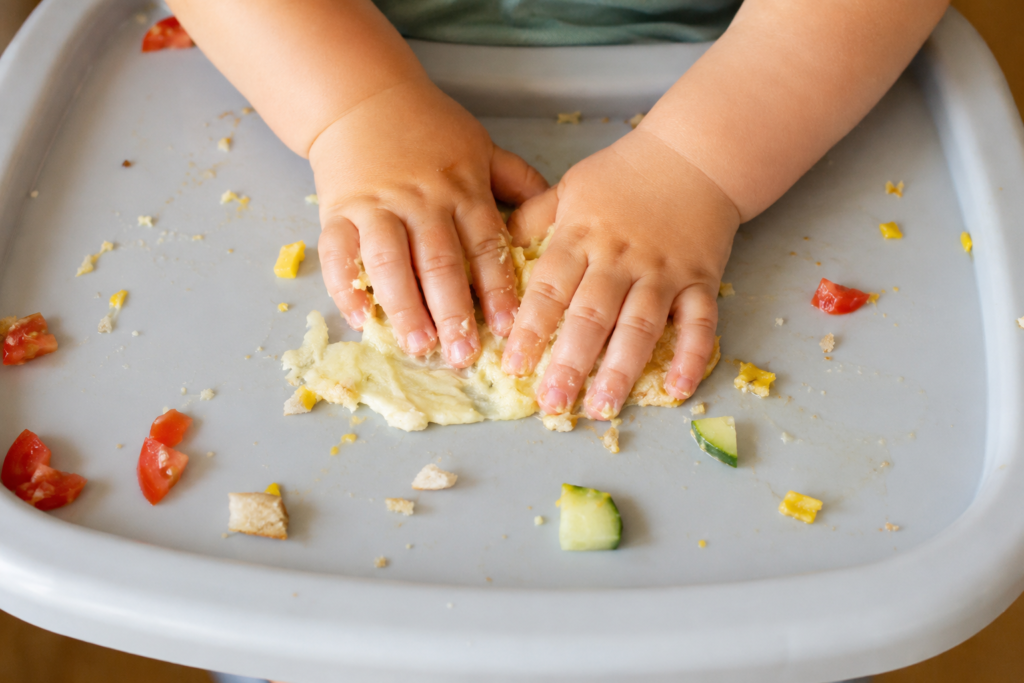
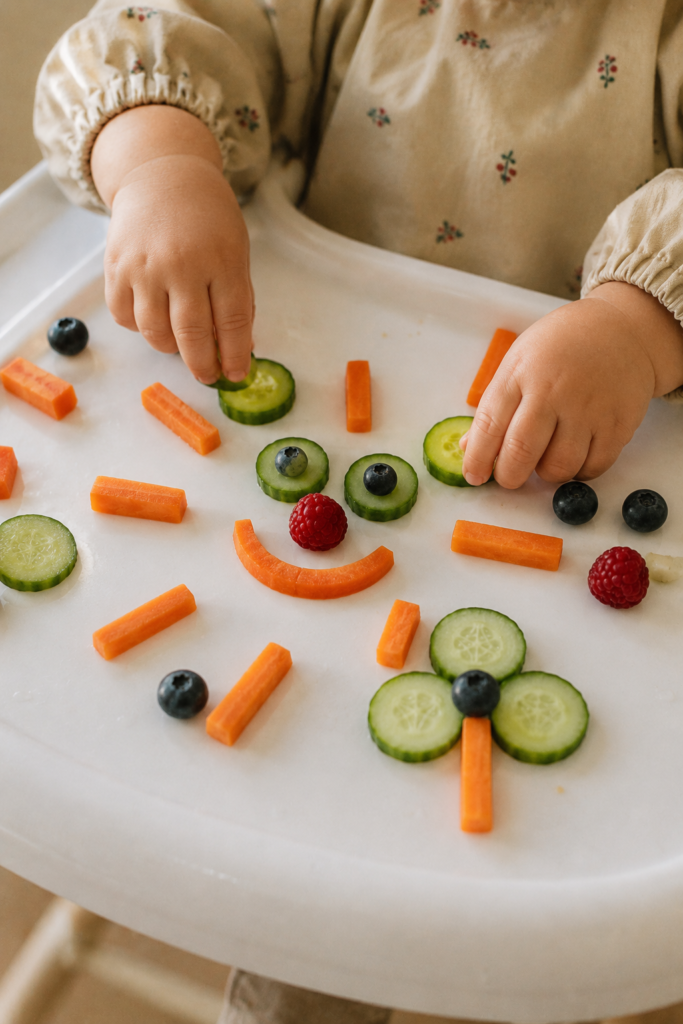
Let them play with it. Squishing, dipping, and making a mess are how toddlers explore food safely. The kid who builds with their green beans today is more likely to bite one next week.
Eat it yourself, visibly and happily. Toddlers are relentless imitators. Your enjoying the roasted pepper without a word to them does more than any “try it, it’s yummy” ever could.
And keep your face neutral when they reject something. A big disappointed reaction makes the rejection memorable and rewarding. A calm “okay, maybe next time” keeps the door open for exposure number eleven.
What to do at the table: a meal-by-meal plan
Knowing the principles is one thing; getting through an actual Tuesday dinner is another, so here’s how the calm approach translates into a real mealtime structure you can run on autopilot. Predictability is half the battle — toddlers eat better inside a reliable rhythm.
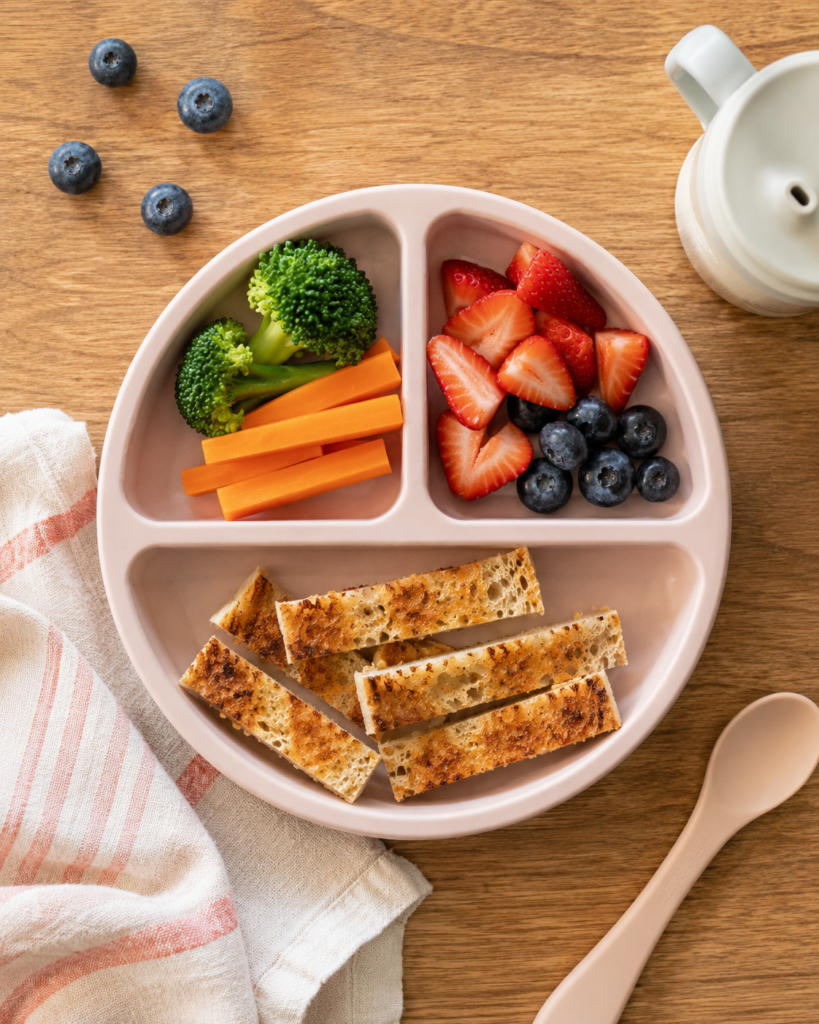
Set a structured schedule of three meals and two or three snacks at roughly consistent times, then stop the grazing in between. Constant access to milk, crackers, and pouches all day means your toddler is never hungry enough at meals to branch out. A child who arrives at dinner genuinely ready to eat is a more adventurous child. Water between eating times is fine; a steady drip of milk and snacks is not.
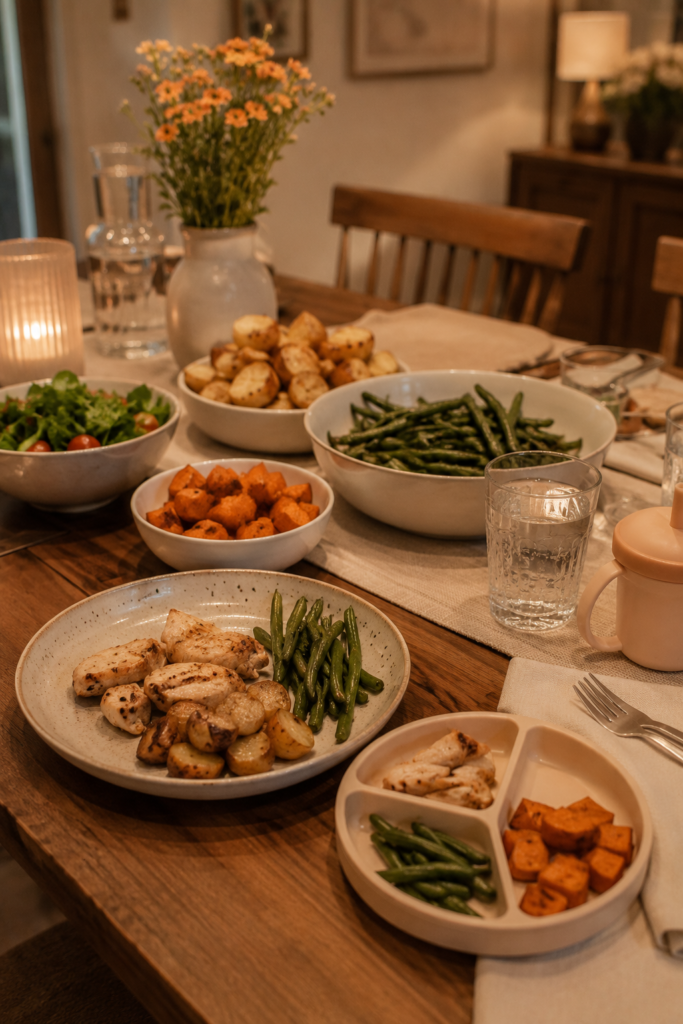
Always include a safe food at every meal — something you’re confident they’ll eat. This is the move that quietly defuses most mealtime stress. With a guaranteed win on the plate, you can offer new or rejected foods alongside it without anyone going hungry and without the meal feeling like a high-stakes test. The safe food is your insurance policy.
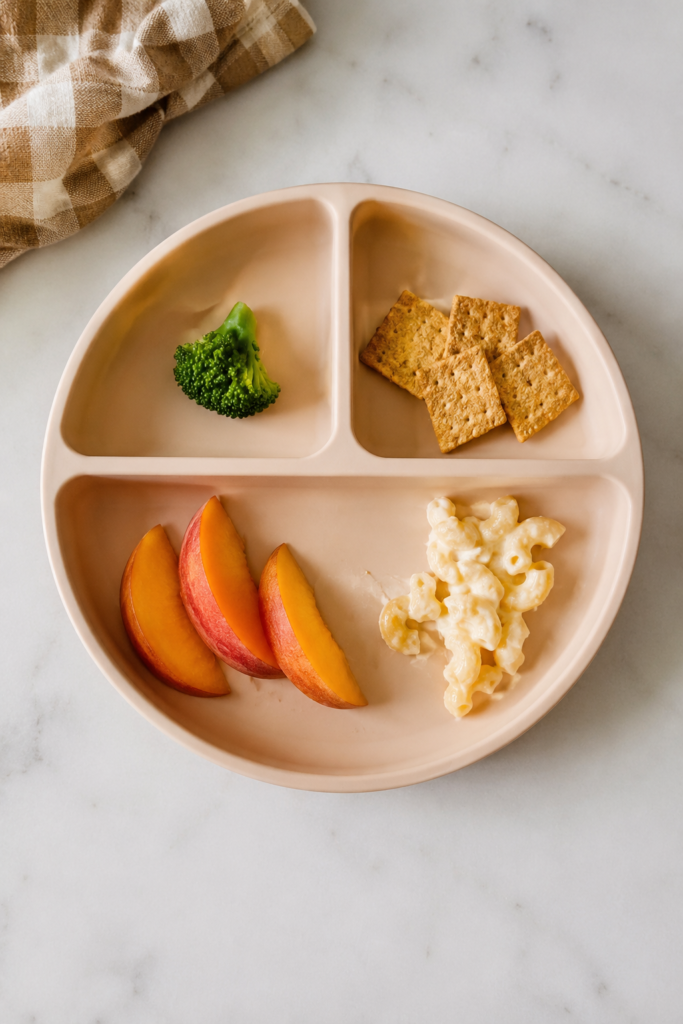
Keep meals short and pleasant. Toddlers don’t last long at the table — fifteen to twenty minutes is plenty. Dragging it out to enforce eating only breeds resentment. When they’re done, they’re done; clear the plate without a lecture.
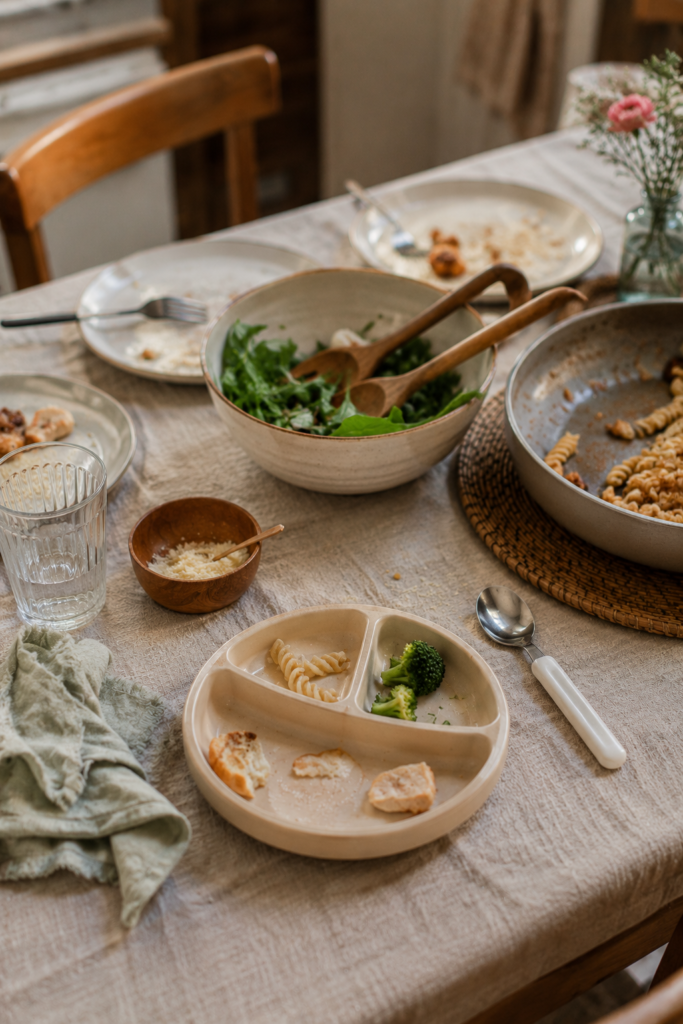
Eat together and talk about anything other than the food. Family meals where the conversation is warm and the food is incidental teach toddlers that eating is a normal, pleasant part of life. The less you talk about what’s on their plate, the better they tend to do.
Offer dessert, when you offer it, as a regular part of the meal rather than a reward for finishing dinner. The moment dessert becomes the prize for eating broccoli, you’ve told your child that broccoli is the punishment and dessert is the good stuff — supercharging the appeal of sweets and the dread of vegetables. Some families serve a small dessert with the meal; others a few times a week. Either way, decouple it from “cleaning the plate.”
One more structural piece quietly shapes how every meal goes: how your toddler drinks during the day. Milk is the sneakiest appetite-killer in the toddler diet. It’s filling, it’s calorie-dense, and a child who sips milk steadily from morning to night arrives at every meal already half-full and uninterested in branching out. Most toddlers do well with roughly two to three cups of milk a day, ideally served with meals and snacks rather than carried around in a cup all afternoon. Between eating times, offer water. The same goes for juice and smoothie pouches — convenient, but they blunt hunger and skew your child toward sweet flavors, which makes a savory vegetable an even harder sell. Tightening up the drinks alone is often enough to noticeably improve appetite at the table within a week.
It also helps to think of intake across the whole day rather than meal by meal. A toddler might eat almost nothing at lunch and then make it all up at an afternoon snack and dinner. This is normal self-regulation, and it’s the very thing pressure tends to break. When you stop tracking and reacting to every individual meal and instead trust the weekly average, your own stress drops — and a calmer parent is, reliably, a better outcome for a picky eater.
Common mistakes parents make

These are the well-intentioned moves that quietly entrench picky eating, and they’re easy to fall into because they feel like good parenting.
Bribing and rewarding bites. “Two more bites and you can have a cookie” feels harmless, but it teaches your toddler that the food you’re bribing them to eat must be bad — otherwise why the reward? Studies on this are remarkably consistent: kids pressured or bribed to eat a food end up liking it less over time, not more. Drop the deals entirely and let the food stand on its own.
Becoming a short-order cook. When dinner gets rejected and you jump up to make chicken nuggets, you teach a powerful lesson: hold out and a better option appears. Your toddler will absolutely learn to game this. Serve one family meal that includes a safe food they can fall back on, and let that be the deal — not a custom menu negotiated nightly.
Forcing or sneaking too hard. Forcing bites can trigger gagging and turn mealtimes into something your child dreads, while relying entirely on hidden vegetables in sauces means your toddler never learns to accept the real thing. A little blending is fine for nutrition, but if sneaking is your only strategy, your child’s actual food acceptance stays frozen. Keep offering visible, recognizable foods too.
Reacting big to rejection. A dramatic sigh, a worried face, or a frustrated “you used to love this!” hands your toddler a jackpot of attention and a sense of control. Pickiness that gets a reaction sticks around. The most powerful thing you can do when a food is refused is to stay utterly neutral and move on, draining the behavior of its payoff.
Letting fear override the plan during a phase. When your toddler hits a stretch of eating almost nothing, panic tempts you back into bribing, force, and short-order cooking — the exact things that make pickiness worse. A toddler’s intake is better judged across a week than a single day; they self-regulate over time. Holding your calm structure through a rough patch is what gets you to the other side.
FAQ
Is it normal for my toddler to suddenly become a picky eater? Yes, very normal. Picky eating typically ramps up between 18 months and three years because growth slows, appetite shrinks, and a built-in wariness of new foods kicks in. A toddler who loved everything as a baby and now rejects half their plate is following a predictable developmental script. It’s frustrating but usually temporary, and it tends to ease as your child gets older, as long as you don’t accidentally reinforce it with pressure.
How many times should I offer a food my toddler rejects? Many more times than feels reasonable — research suggests it often takes ten to fifteen exposures before a wary toddler accepts a new food, and some need even more. The key is offering it calmly and without pressure each time, and counting any interaction (looking, touching, smelling, a tiny taste) as progress. One rejection means nothing. Keep the food in rotation and serve it alongside things they already like.
Should I make my toddler clean their plate? No — the clean-plate rule backfires. Forcing your child to finish overrides their natural ability to sense fullness, which can lead to overeating habits and turns meals into a battle. Under the Division of Responsibility, you decide what’s served and your toddler decides how much to eat. Trusting them to stop when full teaches healthy self-regulation, and they’ll usually balance their intake across the day even if one meal looks tiny.
Why does my toddler refuse vegetables specifically? Vegetables take the biggest hit because many are slightly bitter, and toddlers are biologically wired to reject bitter flavors — in nature, bitterness can signal toxins. Combined with the general wariness of new foods at this age, veggies become an easy “no.” Keep offering them in small amounts without pressure, eat them visibly yourself, and let your child explore them by touch. Most kids broaden their vegetable acceptance with patient, repeated exposure over time.
Should I give my picky eater a multivitamin? For many toddlers eating a reasonable variety, a multivitamin isn’t necessary, but it can be a helpful safety net for genuinely limited eaters. This is a question to take to your pediatrician, who can look at your child’s actual diet and growth rather than guessing. Don’t use a vitamin as a reason to stop offering varied foods, though — supplements fill gaps, but the goal is still to slowly widen what your child willingly eats.
When should I worry about my toddler’s picky eating? Most pickiness is normal, but a few signs warrant a conversation with your pediatrician: your child is losing weight or dropping on the growth chart, eats fewer than roughly twenty foods total, gags or panics at the sight of certain foods, or is dropping foods without adding new ones. These can point to something beyond typical pickiness, such as a feeding disorder, and are worth a professional look rather than waiting it out alone.
The bottom line
The hardest part of feeding a picky eater toddler is trusting that doing less — less pressure, less bribing, less worry — works better than doing more. Stick to the Division of Responsibility, keep offering rejected foods without a flicker of stress, and let your child relearn that the table is a calm place that belongs to them. Pick one thing to change this week, whether it’s dropping the bribes or adding a safe food to every plate, and give it a full month before you judge it.
Not a substitute for medical advice. If you’re concerned about your child’s growth, weight, or extreme food refusal, talk to your pediatrician. The Division of Responsibility framework is the work of dietitian Ellyn Satter.