How many gifts should a child get? It’s a question many parents ask quietly, often while scrolling past a mountain of presents on someone else’s feed. You want your child to feel loved and excited. At the same time, you don’t want piles of plastic, a stretched budget or a child who opens gift after gift without looking up. This guide gives you a calm number, a simple budget method, an age guide and the exact words to use with generous relatives.
The short answer
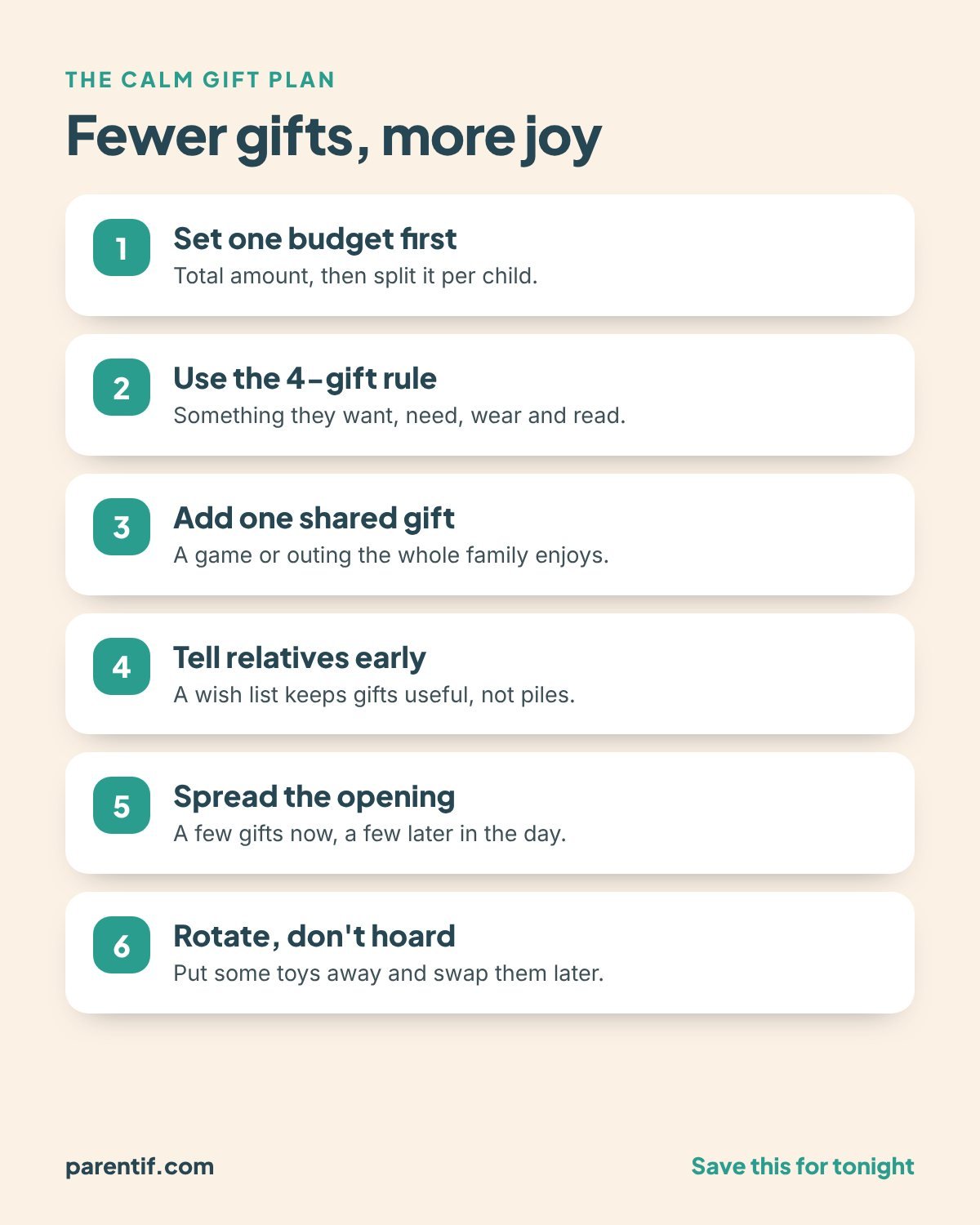
There is no single right number, but many families settle on three to five gifts per child from parents, often using the 4-gift rule: something they want, something they need, something to wear and something to read. Set one total budget first, then split it per child. Add one shared family gift, and ask relatives early for one special present each. Fewer, chosen gifts usually bring more joy than a big pile.
Key takeaways
- ✓There’s no “correct” number of gifts; a calm, chosen number beats a big pile.
- ✓The 4-gift rule (want, need, wear, read) is an easy, fair starting point for most families.
- ✓Setting a total budget first, then splitting it per child, prevents overspending.
- ✓Young children often get overwhelmed by many gifts at once, so fewer and slower works better.
- ✓A short wish list and a kind word with relatives early on stops gift overload.
So, How Many Gifts Should a Child Get?
Most parents land on somewhere between three and five gifts per child from them. That’s not a rule from experts. Instead, it’s a number that tends to feel generous without overwhelming a child or the budget.
However, the number matters less than the thinking behind it. A few well-chosen gifts that fit your child’s age and interests often get played with for months. Meanwhile, a big pile can mean many toys are opened, set aside and forgotten by the next week.
The Family Money Guide
A simple family budget that works on a real income, with kids in the picture.
Instant download · Digital download · All sales final💡 Tip
Before you shop, ask yourself one question per gift: “Will my child still play with this in three months?” If the answer is no, skip it or swap it for an experience.
The 4-Gift Rule: How Many Gifts a Child Gets, Made Simple
The 4-gift rule is a simple way to decide how many gifts a child should get. You give one gift in each of four groups.
| Category | What it means | Examples |
|---|---|---|
| Something they want | The exciting wish-list gift | A toy they keep asking for, a craft set, a ride-on |
| Something they need | Useful, but still fun | Rain boots, a lunchbox, a backpack, a night light |
| Something to wear | Clothes or accessories they’ll enjoy | Pajamas with a favorite animal, a cozy hat |
| Something to read | A book chosen for them | A picture book, a first chapter book, a comic |
It works because it’s fair, easy to explain and it covers both fun and useful. Also, it gives siblings the same structure, so comparing is less of a battle. Some families add a fifth: “something to do,” such as an outing or a class.
How Many Gifts Should a Child Get by Age?
Also, age changes what “enough” looks like. Younger children often enjoy the box as much as the toy, while older kids care more about one big wish.
| Age | A calm number from parents | What tends to work |
|---|---|---|
| 0–2 years | 1–3 | Simple, open-ended toys, board books, stacking and pushing toys |
| 3–5 years | 3–5 | Pretend play, building sets, art supplies, picture books |
| 6–9 years | 3–5 | One “big” wish, a game, a book series, a hobby kit |
| 10–13 years | 2–4 | Fewer, bigger gifts, experiences, money toward a goal |
| Teens | 1–3 | One meaningful gift, an experience, or a contribution to a bigger item |
For babies and toddlers, simple toys are often best. The AAP’s advice on choosing toys explains why classic toys like blocks, balls and books support play better than flashy electronic ones. ZERO TO THREE’s tips for choosing toys for toddlers add more ideas by stage.
❗ Important
Always check age labels and safety warnings, especially for small parts, magnets and button batteries around young children.
Set the Budget Before You Decide How Many Gifts Each Child Gets
Start with money, not with a list. When you pick gifts first, the total usually grows. So decide your total gift budget, then divide it.
Write one total number
Look at your monthly budget and decide what you can spend without stress or debt.
Split it per child
Divide the total fairly, then adjust by age if older kids’ gifts cost more.
Keep 10% aside
A small buffer covers wrapping, batteries and last-minute extras.
Choose gifts to fit
Fill the 4-gift rule inside each child’s amount.
Track as you buy
Note every purchase so the budget stays real, not a guess.
The Family Budget spreadsheet makes this easy, with a section for celebrations so gifts don’t surprise you later. For birthdays, holidays and parties on a tight budget, Celebrations on a Budget gives you plans, price ideas and a companion planner.
✨ Quick win
Fair isn’t the same as equal. One child’s single bigger gift can be just as fair as another child’s three smaller ones, as long as each budget is similar.
Why Fewer Gifts Can Mean More Joy for a Child
It sounds strange, but many parents notice their children play better with fewer toys. With a big pile, a child often jumps from one gift to the next without settling.
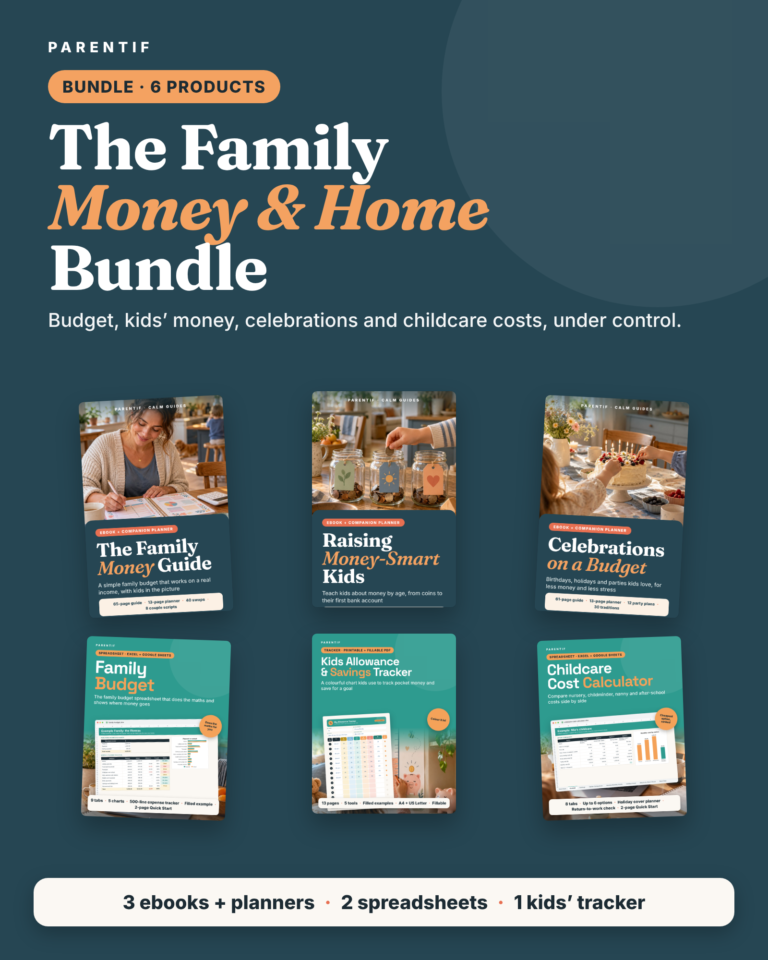
The Family Money & Home Bundle
The family budget, the kids' money, celebrations and childcare costs, under control.

On the other hand, a few chosen gifts get a child’s full attention. They play longer, they use their imagination more and they’re less overwhelmed. Fewer gifts also means less clutter, less tidying and less money spent. That’s good for the whole family.
The best gift is the one they’re still playing with next month.
Talking to Grandparents and Relatives About Gifts
Generous relatives can turn a calm plan into a mountain of presents, because everyone wants to give something. Usually, they just love your child and want to show it.
So speak early, kindly and with a clear idea. Offer a short wish list, suggest experiences, or ask each relative for one special gift. Most people are relieved to know what will actually be used.
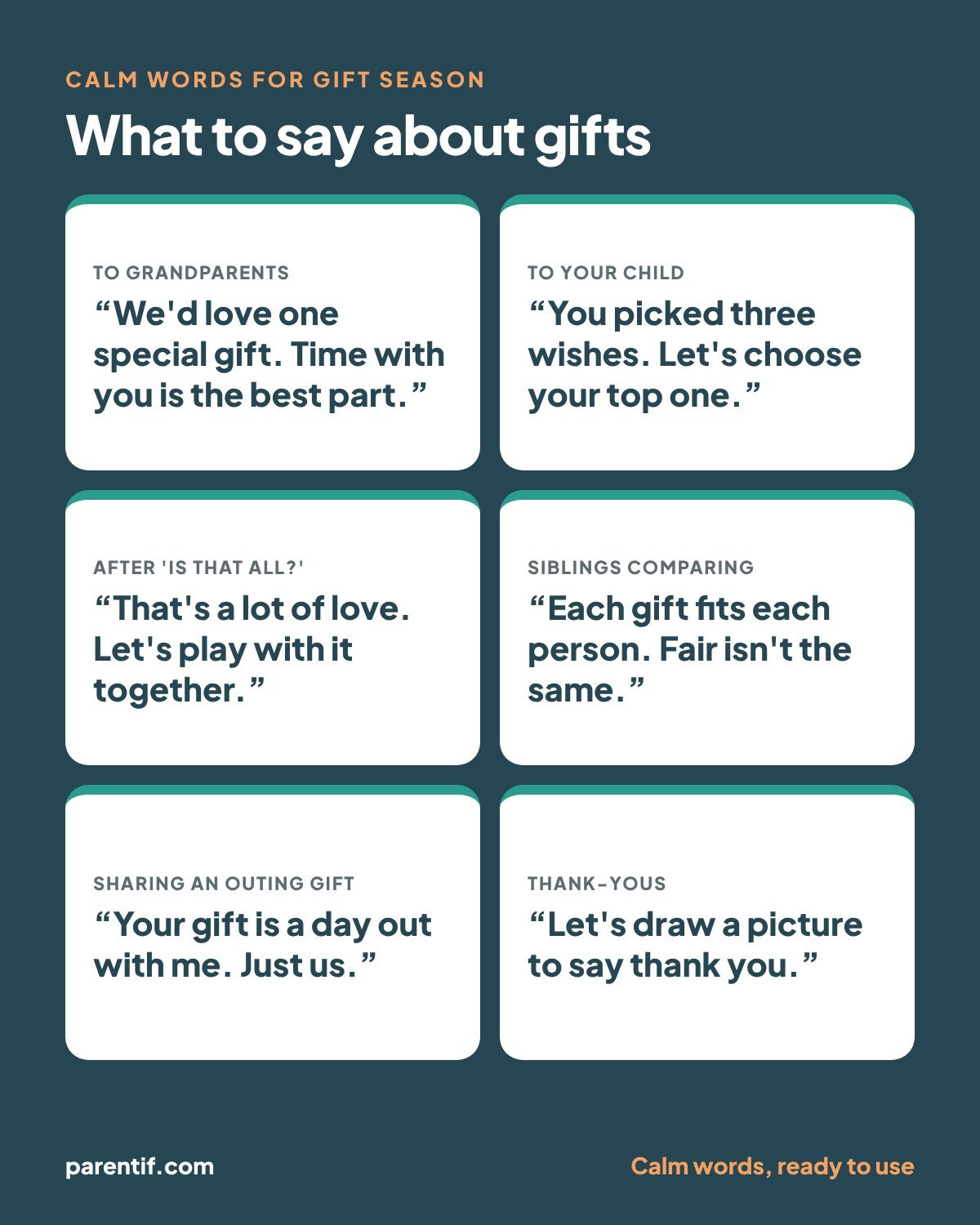
To grandparents
Say: “We’d love one special gift from you. Time with you is the best part.”
Skip: “Please don’t buy so much, we have no space.”
After “Is that all?”
Say: “That’s a lot of love. Let’s play with it together.”
Skip: “You’re so ungrateful!”
Siblings comparing
Say: “Each gift fits each person. Fair isn’t always the same.”
Skip: “Stop complaining, you got plenty.”
💡 Tip
Experience gifts are great for relatives who love to give. A zoo trip, a baking afternoon, swim lessons or a cinema date with Grandma create memories without clutter.
How to Handle Gift-Opening Overload
Even with a calm number, a big day can bring lots of presents at once. Young children may get overwhelmed, cranky or even upset.
So, first of all, spread it out. Open a few gifts in the morning and save some for later in the day, or even the next day. Pause to play with each one. Then put a few new toys away for a week or two and bring them out later. This “toy rotation” keeps gifts feeling new for months.
Teaching Gratitude Without Lectures
Gratitude grows from habits, not speeches, so small repeated moments matter most. So keep it simple and repeat it often.
- Let your child help pick a gift for someone else, even a drawing.
- Make thank-you notes playful: a photo, a scribble or a picture they draw.
- Talk about the person, not just the present: “Grandpa chose this because he loves trains like you.”
- Give or donate together. Choose a toy to pass on and talk about who might enjoy it.
After all, children learn by doing. For more on raising kids who share and think of others, see our guide on how to teach toddlers to share. For older kids, helping teens take responsibility covers money and choices too.
Common Mistakes: Too Many Gifts for One Child, and More
These mistakes come from love, so go easy on yourself first. Still, knowing them helps you plan.
- Shopping before budgeting. The total almost always grows. Set the number first.
- Buying to match other families. Your child sees their gifts, not the feed.
- Opening everything at once. Spread it out so each gift gets attention.
- Forgetting the “need” gift. It quietly saves money later.
- Not telling relatives early. By the time you mention it, the gifts are already bought.
If you’d like money and celebrations under control all year, The Family Money & Home Bundle brings together the budget, the allowance tracker and the celebrations plan. Not sure where your family money stands? Try the free family money check.
When Gifts Are a Sign of Something Bigger
In most cases, gift worries are just gift worries. Sometimes, though, they point to stress that’s worth looking at.
🩺 When to talk to your pediatrician
- Your child gets very distressed, angry or anxious around gifts and celebrations, often and for a long time.
- Big events regularly end in long meltdowns that are hard to calm.
- Money stress at home feels overwhelming; a trusted advisor or local support service can help you plan.
- You feel worried about your child’s behavior or wellbeing for any reason; your pediatrician is a good first call.
Trust your gut: if something feels off, a quick call is always fine.
FAQ: How Many Gifts Should a Child Get?
What is the 4-gift rule for kids?
The 4-gift rule means giving one gift in each of four groups: something they want, something they need, something to wear and something to read. It keeps gift-giving simple, fair between siblings and balanced between fun and useful. Some families add a fifth gift, “something to do,” like an outing or a class.
How much should I spend on gifts for my child?
There’s no right amount. It depends on your income, your other costs and your values. Start with one total gift budget you can afford without debt, then split it fairly between children. Keep a small buffer for extras like batteries and wrapping. Tracking each purchase helps you stay inside your plan.
Is it bad to give a child a lot of gifts?
It isn’t “bad,” but many families notice that lots of gifts at once can overwhelm young children, and some toys get forgotten quickly. Fewer, well-chosen gifts often get more play. If your child receives many gifts from relatives, try spreading them out over a few days or rotating toys over the following weeks.
How many gifts should a toddler get?
Many parents find one to three simple gifts are plenty for a baby or young toddler, and three to five for older toddlers. At this age, children often love the wrapping, the box and the time with you as much as the toy. Choose simple, safe, open-ended toys, and always check age labels.
How do I tell grandparents to buy fewer gifts?
Talk early and warmly. Thank them for their generosity, then share a short wish list or suggest one special gift or an experience. Many grandparents are happy to give an outing, lessons or a book collection. Making it about connection, not rules, usually keeps everyone happy.
Should siblings get the same number of gifts?
Not necessarily. Fair isn’t always the same. Many families keep the budget similar per child, but let the number of gifts vary with age and wishes. A teenager might get one bigger gift, while a younger sibling gets four small ones. Explaining “each gift fits each person” helps children understand.
So, how many gifts should a child get? Fewer than you might think, chosen with more care. Set your budget first, try the 4-gift rule, invite relatives into the plan and spread out the opening. Your child will remember the joy, not the number.
Calm help for the hard parts of family life
Seven bundles of guides, planners and printables. Six products each, $37 per bundle.
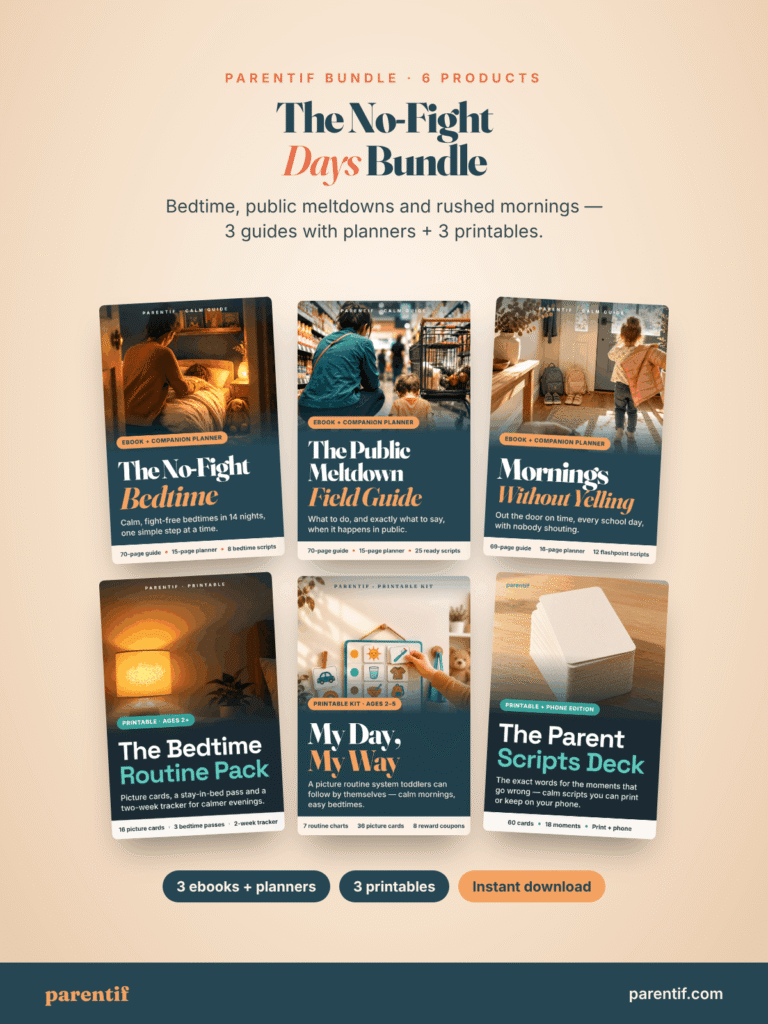
 No-Fight Days Bundle
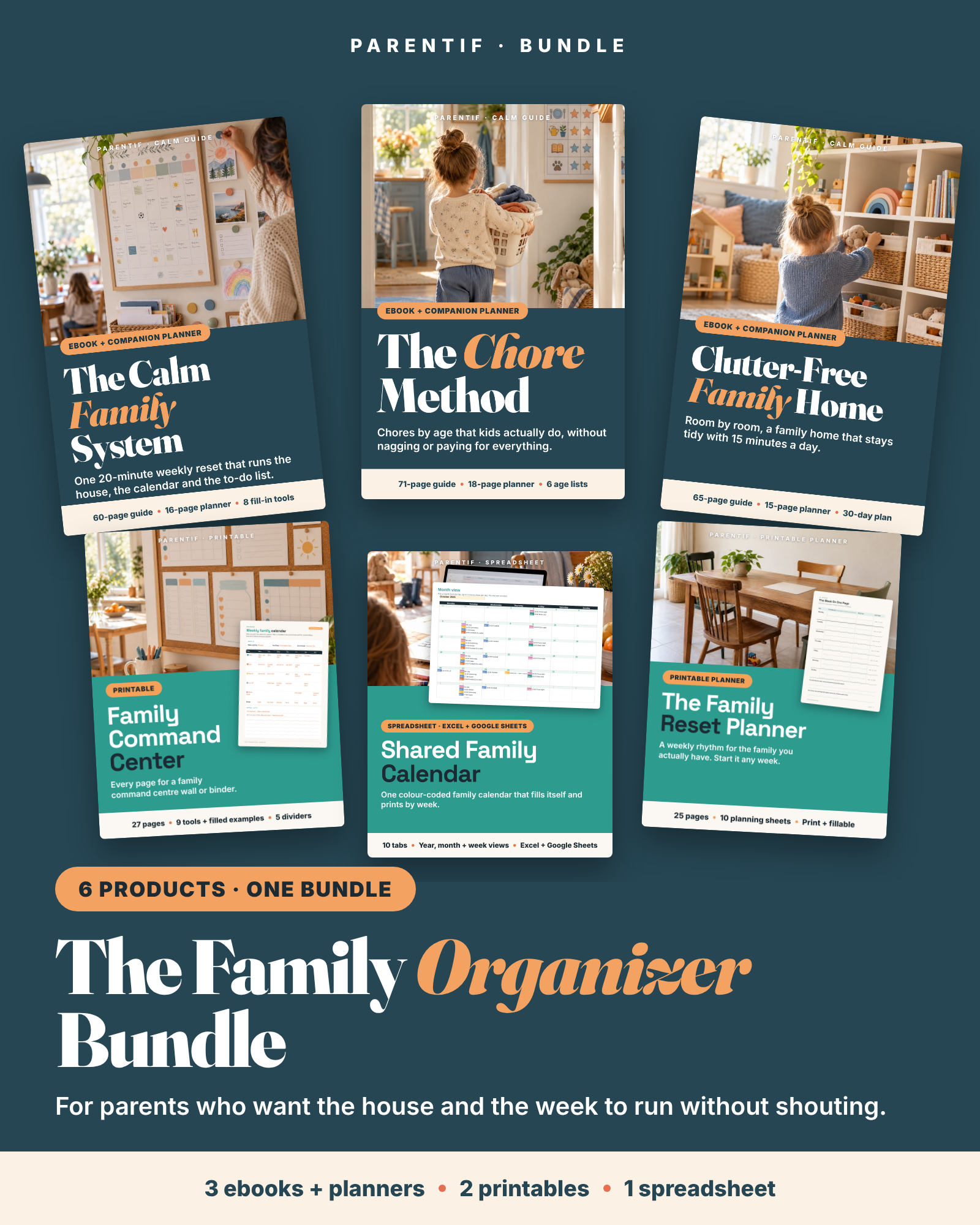 Family Organizer Bundle
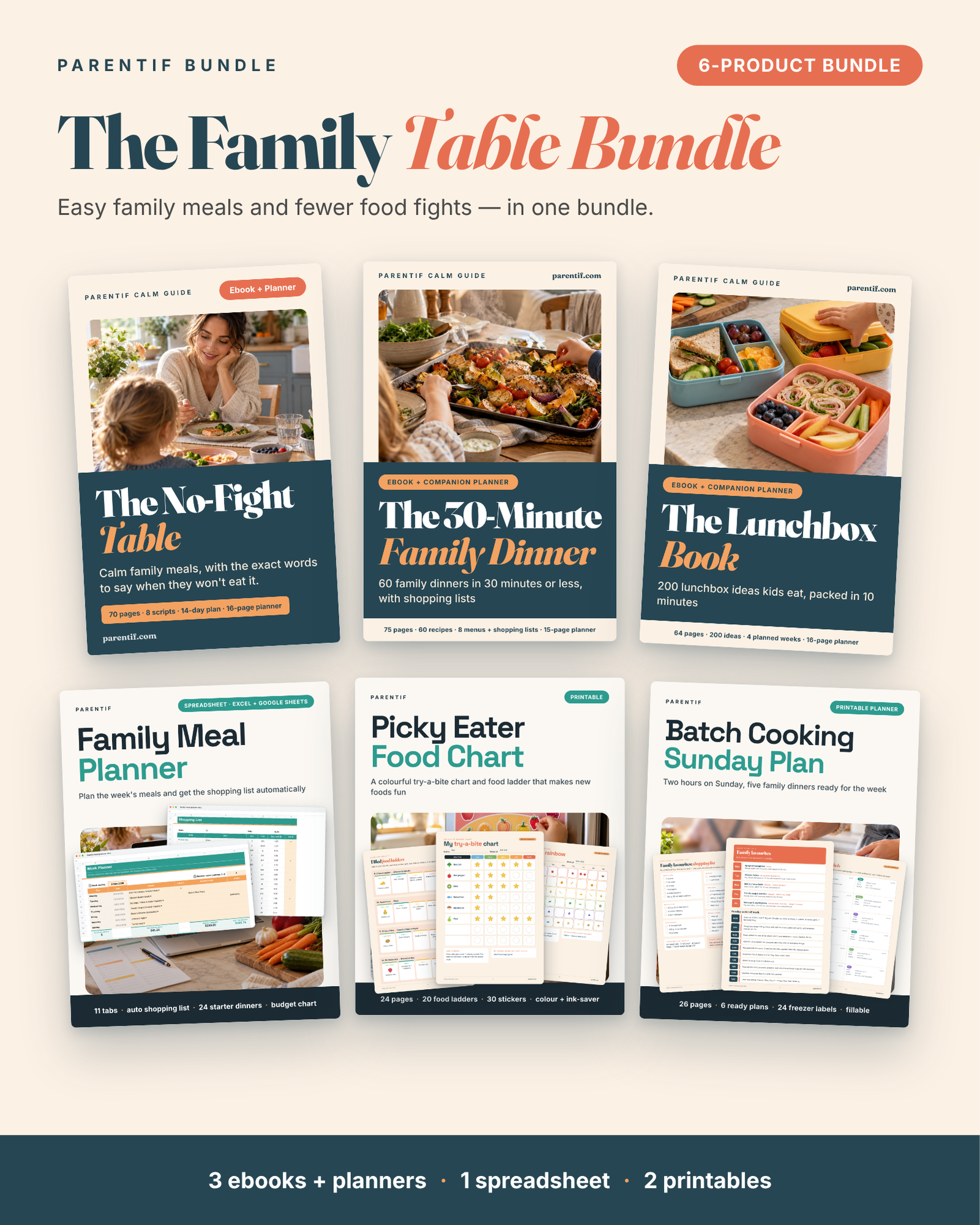 Family Table Bundle
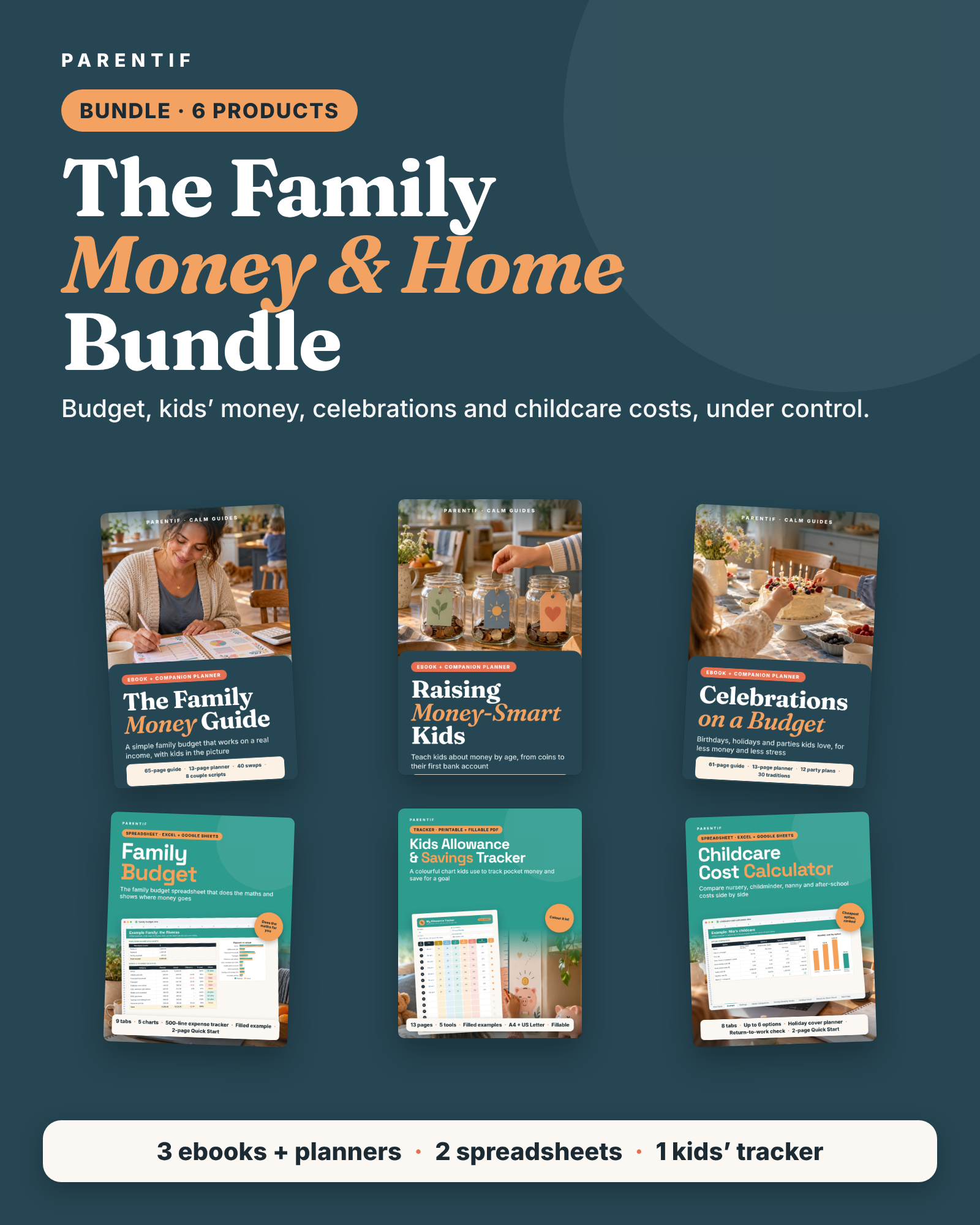 Family Money & Home Bundle
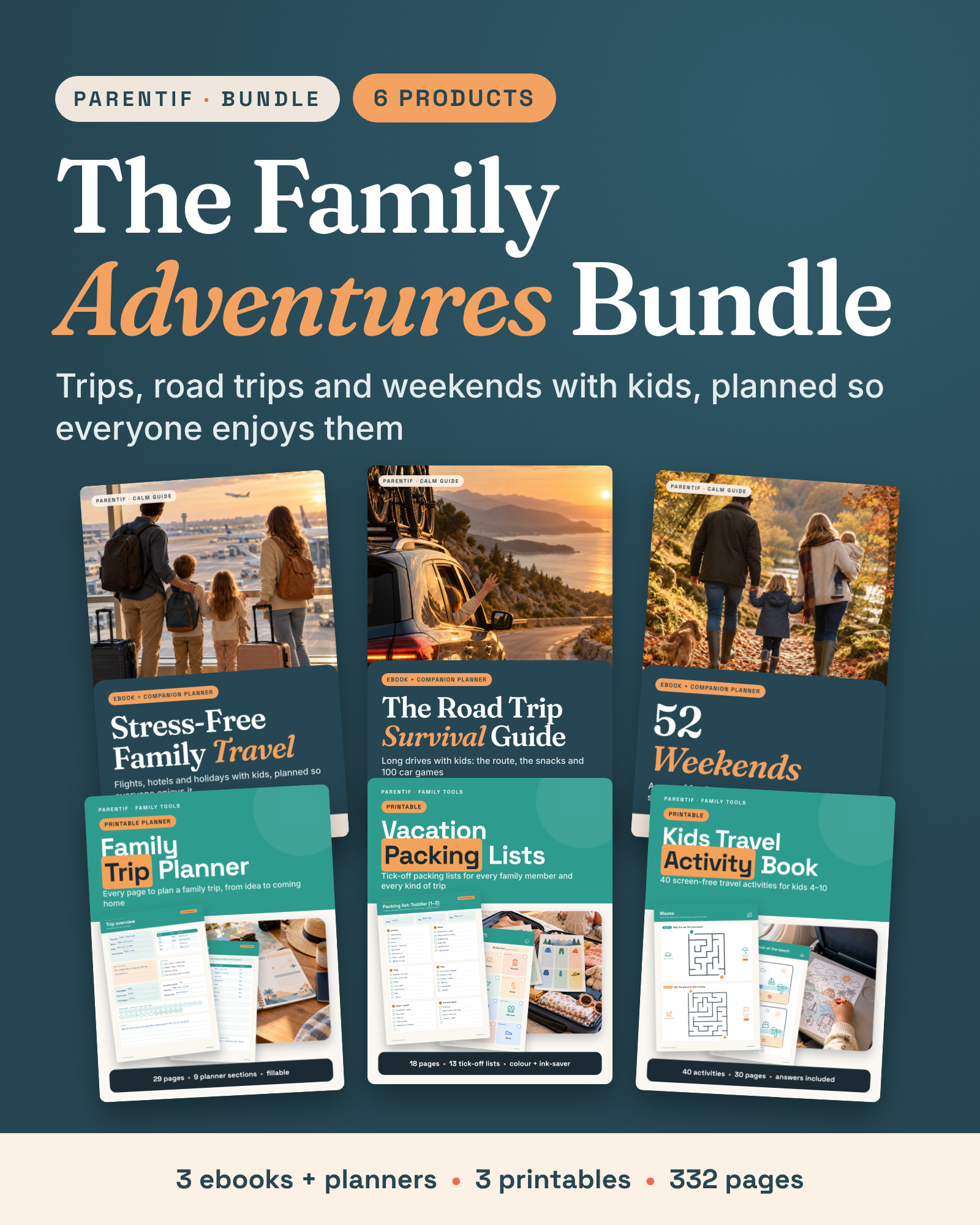 Family Adventures Bundle
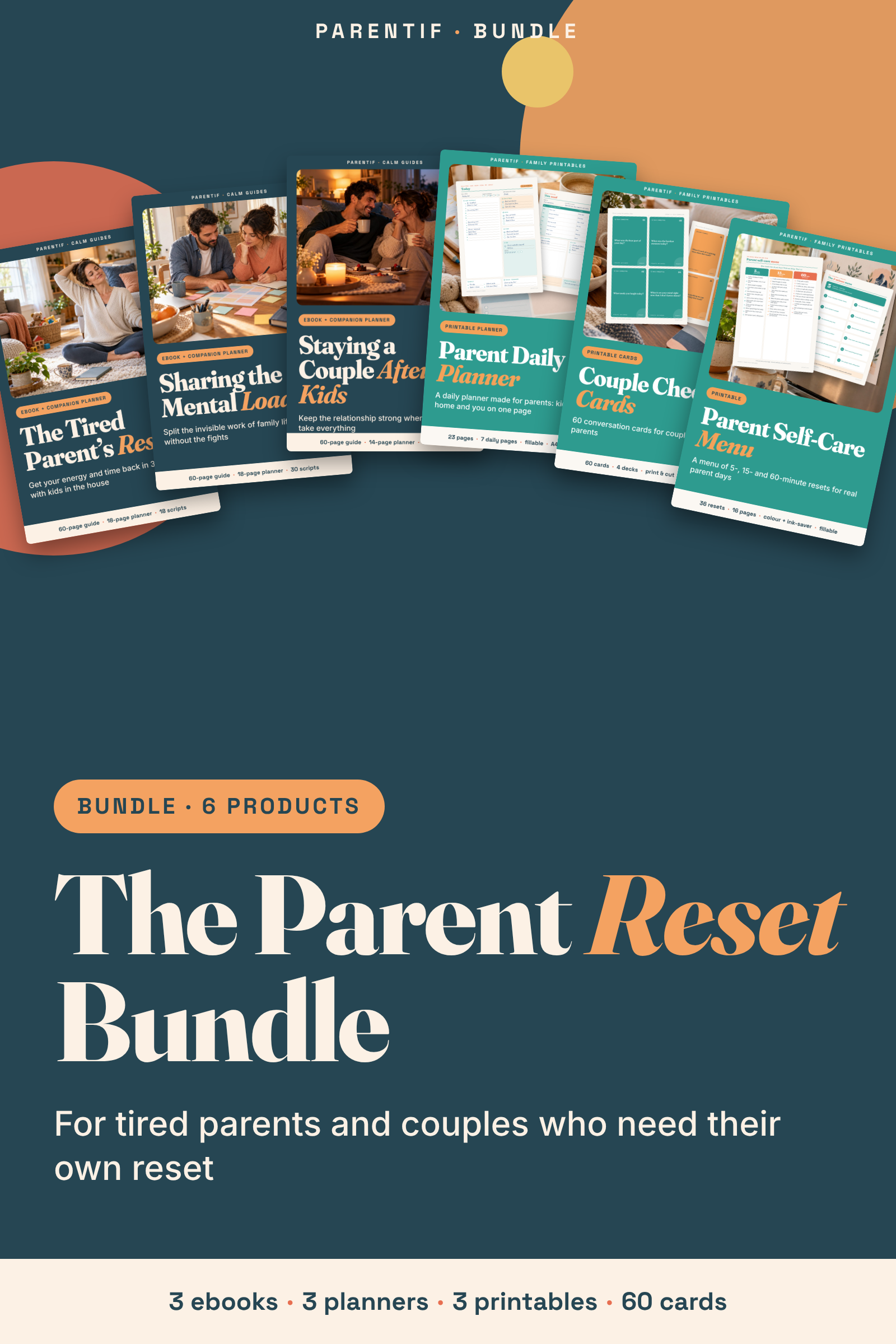 Parent Reset Bundle
 Bump-to-Birth Bundle